
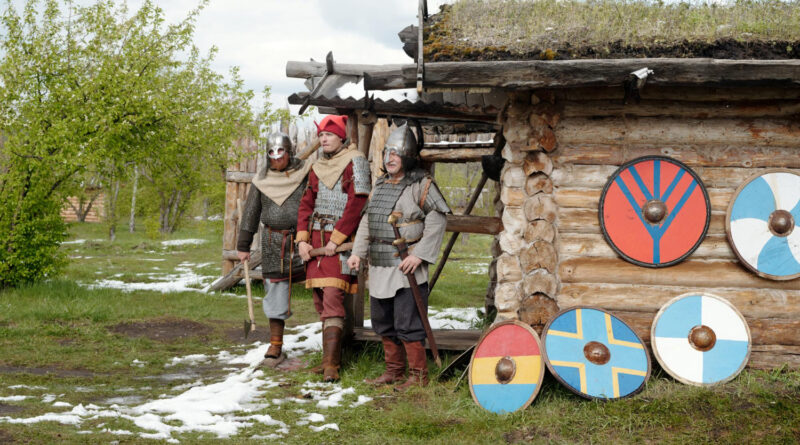
Viking History: Scandinavia
Viking History in Scandinavia: The Legacy That Shaped the North
The story of Scandinavia cannot be told without exploring the remarkable age of the Vikings. For centuries, the Vikings sailed across seas, established trade routes, built settlements, and created a legacy that still influences modern Nordic society. Today, travelers visiting Scandinavia can experience traces of this extraordinary past through ancient ruins, museums, reconstructed villages, burial sites, and cultural traditions that continue to celebrate Viking heritage.
The Viking Age lasted roughly from the late eighth century to the eleventh century. During this period, seafaring Norse people from present-day Norway, Sweden, and Denmark traveled across Europe, the North Atlantic, and beyond. Their influence reached as far as North America, the Middle East, and Central Asia. Modern travelers exploring Scandinavia quickly discover that Viking history is not simply a chapter in the past; it remains a living part of regional identity.
Who Were the Vikings?
The Vikings were skilled sailors, traders, explorers, craftsmen, farmers, and warriors. While popular culture often focuses on Viking raids and battles, their society was far more complex. Communities were built around farming, fishing, craftsmanship, and trade. Viking families lived in longhouses, maintained social structures, and developed advanced shipbuilding techniques that allowed them to travel great distances.
Their success was largely due to the famous Viking longship. These vessels were lightweight, flexible, and capable of navigating both oceans and rivers. The longships opened routes that connected Scandinavia with distant civilizations, enabling cultural exchange and economic growth.
The Viking Heartlands of Scandinavia
Modern Scandinavia offers many opportunities to explore Viking history firsthand. Each Nordic country played a unique role during the Viking Age and preserves important historical sites that attract visitors from around the world.
In Norway, dramatic fjords and coastal settlements helped create some of the world’s most skilled sailors. The country is home to important Viking discoveries, including preserved ships and burial grounds. In Denmark, visitors can explore royal Viking fortresses and ancient settlements that reveal the political power of Viking rulers. Sweden became a major center for trade and exploration, connecting Scandinavia with Eastern Europe and Asia through extensive river networks.
The Importance of Viking Longships
Few symbols represent Viking achievement better than the longship. These engineering masterpieces allowed Vikings to cross rough seas while remaining agile enough to travel inland through rivers. Longships became the foundation of Viking expansion and exploration.
Today, visitors can admire Viking ship discoveries at museums across Scandinavia. The craftsmanship displayed in these vessels demonstrates the advanced knowledge possessed by Viking shipbuilders more than a thousand years ago. Seeing these ships in person offers a powerful connection to the people who once sailed across unknown waters.
Viking Trade and Global Connections
Contrary to common misconceptions, the Vikings were not only raiders. They were also successful merchants who established extensive trading networks. Viking traders exchanged goods such as furs, amber, iron, silver, jewelry, textiles, and crafted products.
Trade routes connected Scandinavia to cities throughout Europe, the Byzantine Empire, and the Islamic world. Archaeological discoveries continue to reveal foreign coins, jewelry, and artifacts found in Viking settlements, highlighting the impressive reach of Norse commerce. These connections helped spread ideas, technologies, and cultural influences across continents.
Viking Mythology and Beliefs
Viking mythology remains one of the most fascinating aspects of Scandinavian history. Norse legends tell stories of gods, giants, heroes, and magical creatures. These tales helped shape Viking culture and influenced their understanding of the world.
Important figures included Odin, the wise ruler of the gods; Thor, associated with thunder and strength; and Freya, connected to beauty and fertility. The mythical world tree known as Yggdrasil linked different realms of existence. Today, museums and cultural centers throughout Scandinavia help visitors understand these legendary stories and their significance.
Famous Viking Sites to Visit
Travelers interested in Viking history will find numerous fascinating destinations throughout Scandinavia. These sites provide insight into daily life, religion, trade, and warfare during the Viking Age.
- Viking Ship Museum, Oslo – One of the most important collections of Viking ships and artifacts.
- Borg in Lofoten, Norway – A reconstructed Viking chieftain’s settlement offering immersive experiences.
- Jelling, Denmark – Famous for royal monuments and runestones linked to Denmark’s early kings.
- Roskilde, Denmark – Home to impressive Viking ship discoveries and maritime history.
- Birka, Sweden – One of Scandinavia’s earliest trading centers and a UNESCO-listed site.
- Gamla Uppsala, Sweden – Known for burial mounds and connections to Norse mythology.
How Viking Culture Influences Modern Scandinavia
Although the Viking Age ended centuries ago, its influence remains visible throughout modern Scandinavia. Many traditions, symbols, and cultural values have roots in Viking society. Respect for nature, maritime heritage, craftsmanship, and community continue to shape Nordic identity.
The Viking legacy is celebrated through festivals, historical reenactments, museums, educational programs, and cultural events. Visitors often encounter Viking-inspired art, architecture, literature, and storytelling that keep this heritage alive for future generations.
Experiencing Viking History as a Traveler
Exploring Viking history adds depth and meaning to any Scandinavian journey. Walking through reconstructed villages, standing beside ancient burial mounds, or viewing authentic Viking artifacts creates a powerful connection with the past. Many museums feature interactive exhibits that allow visitors to learn about navigation, shipbuilding, weaponry, daily life, and mythology.
Travelers can also participate in Viking-themed activities, including sailing replicas of longships, attending historical festivals, and enjoying traditional Nordic cuisine inspired by ancient ingredients. These experiences transform history from something read in books into something truly lived and understood.
Why Viking History Remains Relevant Today
The Viking story continues to inspire people around the world because it combines exploration, innovation, resilience, and adventure. The achievements of the Vikings demonstrate how determination and curiosity can expand human horizons. Their journeys connected distant cultures and helped shape the development of Europe and beyond.
Modern Scandinavia proudly preserves this heritage while embracing innovation and progress. Visitors who explore Viking sites gain a deeper appreciation of the historical foundations that contributed to the success and identity of today’s Nordic nations.
Unforgettable Journey
Viking history remains one of the most compelling reasons to visit Scandinavia. From the majestic fjords of Norway and the royal monuments of Denmark to the ancient trading centers of Sweden, every destination offers a unique glimpse into a remarkable civilization that transformed the world. Whether you are passionate about history, archaeology, mythology, or cultural exploration, the Viking legacy provides an unforgettable journey through the roots of Scandinavia. By experiencing these historic landscapes and stories firsthand, travelers gain a richer understanding of the people whose courage and vision shaped the North and left a lasting mark on world history.