
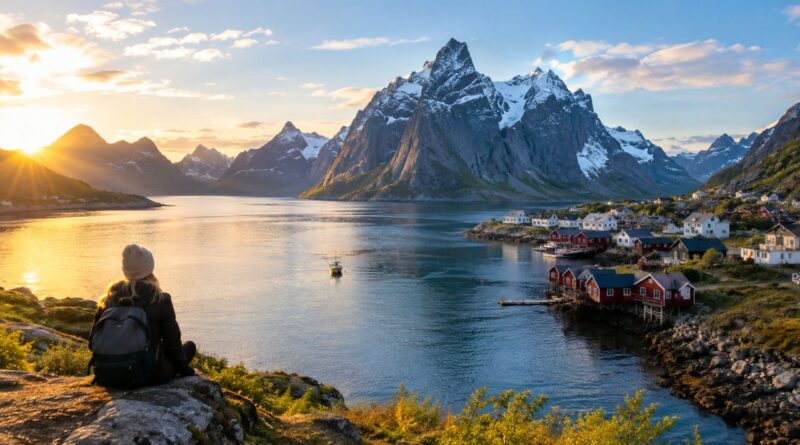
Best Time to Visit Norway for Your Dream Vacation
Have you ever imagined standing beside a beautiful fjord, watching the Northern Lights dance across the sky, or exploring charming Scandinavian towns surrounded by mountains? Norway offers all these experiences and so much more. With its breathtaking landscapes, fascinating culture, and incredible seasonal changes, this Nordic destination is perfect for travelers looking for a memorable getaway.
But here’s the big question: When is the best time to visit Norway?
The answer depends on what you want from your vacation. Perhaps you’re dreaming of summer road trips, peaceful fjord cruises, winter adventures, or a magical encounter with the Aurora Borealis. Each season offers something special, making Norway a destination worth exploring throughout the year.
In this guide, we’ll explore the best months to visit Norway, the top experiences to enjoy in every season, and practical tips to help you plan your dream vacation.
Introduction to Norway: A Destination for Every Season
Norway is famous for its dramatic fjords, snow-covered mountains, colorful waterfront villages, and spectacular natural scenery. From the lively streets of Oslo to the Arctic wilderness of northern Norway, the country offers an impressive variety of travel experiences.
What makes Norway particularly special is how dramatically its landscapes change throughout the year. Summer brings long daylight hours and green valleys, while winter transforms the scenery into a snowy wonderland. Spring introduces blooming landscapes, and autumn paints forests and mountains in beautiful shades of gold and orange.
This seasonal variety means there’s no single perfect time for everyone. Instead, choosing the right travel dates can make your vacation more enjoyable, comfortable, and rewarding.
What Is the Best Time to Visit Norway?
For most travelers, June to August is the best time to visit Norway for sightseeing, fjord cruises, hiking, and road trips. The weather is generally milder, the days are longer, and many popular attractions are fully accessible.
However, if your dream is to see the Northern Lights, winter and the shoulder months are often better choices, particularly in northern Norway.
Here’s a quick seasonal overview.
| Season | Months | Best for |
| Spring | March–May | Waterfalls, fresh landscapes, fewer crowds |
| Summer | June–August | Fjord cruises, hiking, road trips, midnight sun |
| Autumn | September–November | Fall colors, photography, quieter destinations |
| Winter | December–February | Northern Lights, skiing, snowy landscapes |
Let’s explore what each season has to offer.
Spring in Norway (March to May)
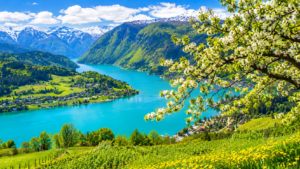
Spring is a wonderful time to experience Norway as the country gradually awakens from winter. Snow begins melting in lower elevations, waterfalls grow stronger, and daylight hours increase noticeably.
March can still feel like winter, especially in northern regions and mountain areas. By April and May, many cities become more pleasant for walking, and the countryside starts displaying fresh greenery.
Spring is ideal for travelers who prefer a quieter atmosphere and want to enjoy scenic destinations without the peak summer crowds.
Keep in mind that mountain trails and some high-altitude roads may remain closed because of snow. If outdoor adventures are on your itinerary, check local conditions before setting out.
Summer in Norway (June to August)
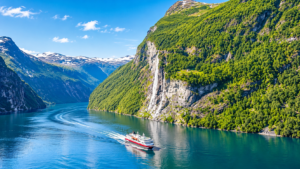
Summer is the most popular season for exploring Norway, and it’s easy to understand why. The landscapes are lush, the weather is generally milder, and daylight stretches well into the evening.
In northern Norway, the midnight sun creates an extraordinary experience during part of the summer. Imagine taking a scenic walk late at night while the sky remains bright. It feels as though the day simply refuses to end.
Summer is also excellent for:
- Exploring fjords by boat.
- Hiking scenic mountain trails.
- Driving through spectacular countryside.
- Visiting coastal villages and islands.
- Enjoying outdoor cafés and cultural festivals.
The main drawback is that popular destinations can become busy, and accommodation prices may rise. Booking hotels, rental cars, and popular excursions in advance is a smart move.
If you’re visiting Norway for the first time and want to experience several highlights in one trip, summer is an excellent starting point.
Autumn in Norway (September to November)
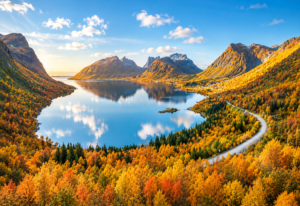
Autumn brings a different kind of beauty to Norway. Forests turn golden, mountain slopes develop rich autumn colors, and many destinations become quieter after the summer rush.
September is particularly attractive for travelers who want to combine sightseeing with outdoor activities. Temperatures gradually fall, but early autumn can still offer comfortable conditions in many areas.
October and November become colder and darker, especially in northern Norway. However, these months can be appealing if you’re interested in cozy cafés, cultural experiences, photography, and the possibility of seeing the Northern Lights.
Autumn is also a good time to enjoy Norway at a slower pace. Rather than rushing between attractions, you can spend more time appreciating the scenery and discovering local traditions.
Remember that weather can change quickly, so waterproof clothing and flexible plans are essential.
Winter in Norway (December to February)
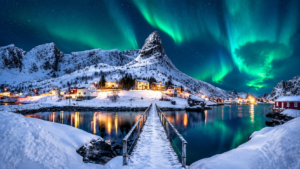
Winter transforms Norway into a magical destination filled with snow-covered landscapes, frozen lakes, and charming towns illuminated by seasonal lights.
If you’ve always wanted to see the Northern Lights, winter is one of the best seasons to plan your trip, particularly in Arctic destinations such as Tromsø and Alta.
Winter also offers opportunities for skiing, snowshoeing, dog sledding, and other cold-weather adventures. In some destinations, you can even experience traditional Arctic activities guided by local experts.
However, winter days are short in much of the country, and northern regions can experience very limited daylight during parts of the season. Roads may also become icy, and weather disruptions are possible.
Pack warm layers, insulated footwear, and weather-resistant outerwear. Most importantly, leave room in your itinerary for flexibility.
Best Time to Visit Norway for Different Travel Experiences
The best time to visit Norway isn’t just about the weather. It’s also about choosing the experiences that matter most to you.
Best Time to See the Northern Lights
The Northern Lights, also called the Aurora Borealis, are among Norway’s most unforgettable natural attractions.
The viewing season generally runs from late September through March, when nights are dark enough to provide suitable viewing conditions. Northern Norway is particularly popular because destinations above the Arctic Circle offer excellent opportunities when skies are clear and aurora activity is favorable.
Tromsø, Alta, and parts of the Lofoten Islands are popular choices for Aurora seekers.
However, seeing the Northern Lights is never guaranteed. Cloud cover, weather, and solar activity all influence visibility. Spending several nights in the region can improve your chances compared with planning a single evening around the phenomenon.
Best Time to Explore the Norwegian Fjords
Norway’s fjords are among its most famous natural wonders, featuring deep blue water, towering cliffs, waterfalls, and picturesque villages.
For most visitors, May through September is an excellent period for fjord sightseeing. Summer generally offers convenient access to boat tours, scenic drives, and outdoor excursions, although conditions vary by region.
Spring can be particularly beautiful when melting snow feeds powerful waterfalls. Summer provides greener landscapes and longer days, while autumn offers dramatic colors and a quieter atmosphere.
Popular areas include the Geirangerfjord, Nærøyfjord, and Sognefjord.
Consider combining a fjord cruise with a scenic railway journey or a drive through nearby mountain villages. This gives you a fuller picture of Norway’s landscapes without relying on just one type of experience.
Best Time for Hiking and Outdoor Adventures
If hiking is high on your vacation wish list, June through September is generally the best period for many popular mountain routes.
Trails at lower elevations may become accessible earlier, while higher-altitude routes can remain snow-covered well into summer. Conditions also depend on the region and the year’s weather.
Norway offers trails for different experience levels, from gentle walks near fjords to challenging mountain hikes with spectacular views.
Before starting a hike, check trail conditions, weather forecasts, daylight hours, and the difficulty of the route. Bring suitable footwear, water, warm layers, and navigation equipment.
A sunny morning can turn into a cold, rainy afternoon in the mountains, so preparation is just as important as choosing the right month.
Best Time to Experience the Midnight Sun
The midnight sun is a remarkable natural phenomenon in which the sun remains above the horizon at midnight.
In places such as Tromsø, the phenomenon typically occurs from late May to late July. Farther north, it can last longer, with exact dates depending on latitude.
This is an excellent time for photographers, nature lovers, and travelers who want to make the most of long daylight hours.
You can enjoy late-night walks, coastal drives, scenic boat trips, and outdoor activities without worrying about sunset arriving early.
One useful tip: bring an eye mask if you’re a light sleeper. Bright nights are beautiful outdoors, but they can make it harder to sleep in accommodation without effective blackout curtains.
Best Time for Snow Activities and Winter Sports
For skiing, snowboarding, and snowy mountain adventures, December through March is often a good period to consider.
Norway has a strong winter sports culture, with resorts and mountain areas offering activities for beginners and experienced adventurers. Conditions vary, so check the expected snow cover and operating dates for your chosen destination.
January and February can be especially appealing for travelers seeking a classic winter atmosphere. December offers seasonal decorations and festive experiences, although daylight hours are limited.
If you plan to combine skiing with sightseeing, consider spending a few nights in a winter sports destination before continuing to a larger city such as Oslo.
Best Places to Visit in Norway Throughout the Year
Norway’s regions each have their own character. Choosing the right destinations for your travel dates can make a big difference to your overall experience.
Oslo: Culture, Food, and City Experiences
Oslo is a great starting point for a Norwegian vacation. The capital combines modern architecture, museums, green spaces, waterfront attractions, and a lively food scene.
Summer is ideal for exploring the city on foot, enjoying outdoor dining, and spending time beside the Oslofjord. Spring and autumn are also appealing for museum visits and cultural sightseeing.
Winter offers a different experience, with seasonal markets and opportunities to explore nearby snowy landscapes when conditions allow.
Whether you enjoy contemporary art, Scandinavian design, or relaxing walks, Oslo provides an accessible introduction to Norwegian culture.
Bergen: Gateway to the Fjords
Bergen is famous for its colorful historic waterfront, surrounding mountains, and access to western Norway’s spectacular fjords.
Late spring and summer are popular periods for exploring Bergen and taking excursions into the surrounding countryside. Visitors can enjoy scenic viewpoints, harbor walks, and boat trips.
Rain is common throughout the year, so a waterproof jacket is always useful.
Bergen works particularly well as part of a wider itinerary that includes fjord cruises, mountain railways, and scenic journeys through western Norway.
Tromsø: Arctic Adventures and Northern Lights
Tromsø is a favorite destination for travelers seeking Arctic experiences. Located in northern Norway, it offers opportunities for Northern Lights excursions, wildlife experiences, winter activities, and spectacular coastal scenery.
Visit between late September and March for dark skies and potential aurora viewing. Choose summer if you’d rather experience the midnight sun and enjoy outdoor activities under extended daylight.
Because winter excursions depend heavily on weather, consider staying for several nights and booking with reputable local operators.
Tromsø is an excellent example of how selecting the right season can completely change the character of a destination.
Lofoten Islands: Dramatic Landscapes and Coastal Charm
The Lofoten Islands are known for their dramatic mountains, fishing villages, beaches, and distinctive red waterfront cabins.
Summer is ideal for many hiking routes, scenic drives, kayaking excursions, and photography trips. The midnight sun adds another layer of magic to the landscape.
Winter offers snowy mountain scenery and opportunities to see the Northern Lights, although weather can affect transportation and outdoor plans.
If you’re visiting for photography, allow extra time at each location. The light, changing clouds, and coastal scenery can make even a simple roadside stop feel extraordinary.
Norway Travel Tips for a Smooth Vacation
Good planning helps you enjoy Norway without unnecessary stress. Before booking your trip, think about the weather, transportation, accommodation, and activities you want to prioritize.
What to Pack for Norway’s Changing Weather
Norwegian weather can change quickly, particularly along the coast and in mountainous areas.
Instead of packing only for the average temperature, prepare for several conditions.
Useful items include:
- Waterproof and wind-resistant outerwear.
- Comfortable walking shoes or hiking boots.
- Lightweight layers for changing temperatures.
- Warm hats and gloves for colder seasons.
- Sunglasses and sunscreen for bright summer days.
- Thermal clothing and insulated footwear for winter trips.
The key is layering. A few adaptable clothing items can be more useful than one bulky outfit.
How to Choose the Right Travel Budget
Norway is generally an expensive destination compared with many European countries. Accommodation, restaurant meals, transportation, and guided excursions can add up quickly.
Your travel season can influence the overall cost. Summer is popular and may bring higher prices in sought-after destinations, while winter costs vary depending on the location and demand for seasonal activities.
To manage your budget, compare accommodation options, plan transportation early, and prioritize the experiences you value most.
Budget-Friendly Travel Tips
A memorable Norwegian vacation doesn’t have to involve luxury hotels every night.
Consider these practical ideas:
- Travel during shoulder-season dates when suitable accommodation is available at better rates.
- Compare train, bus, and rental-car costs before finalizing your route.
- Prepare some meals using supermarket ingredients.
- Choose free scenic walks and viewpoints alongside paid excursions.
- Book popular activities in advance when possible.
- Avoid planning too many long-distance transfers into a short itinerary.
A balanced itinerary allows you to enjoy Norway’s highlights without overspending on unnecessary travel.
Transportation and Getting Around Norway
Norway offers several ways to explore, including trains, buses, ferries, domestic flights, and rental cars.
Trains are an excellent option for selected scenic routes, while ferries and boat services are particularly useful in fjord regions. Rental cars provide greater flexibility for exploring rural areas, islands, and less accessible viewpoints.
However, driving distances can be deceptive. Mountain roads, ferry crossings, weather conditions, and winding coastal routes can make journeys longer than expected.
Plan realistic travel days and avoid scheduling several demanding excursions back-to-back. If you’re visiting during winter, check road conditions and consider whether public transportation or guided tours would be more suitable.
Plan Your Dream Vacation with a Norway DMC
Planning a trip to Norway involves more than choosing the right month. You may need to coordinate accommodation, airport transfers, sightseeing, local guides, fjord cruises, and seasonal activities.
A destination management company, commonly known as a DMC, can help organize these details, particularly for customized itineraries, corporate travel, family holidays, and group tours.
A Norway DMC may provide local destination knowledge, travel coordination, supplier arrangements, and itinerary planning based on your schedule and interests. The services available depend on the individual company.
For example, a summer itinerary could combine Oslo, Bergen, and a fjord cruise, while a winter itinerary might focus on Tromsø, Northern Lights excursions, and Arctic experiences.
How Tkws DMC Can Help with Travel Planning
If you’re considering Tkws DMC for your travel arrangements, use your initial consultation to discuss your preferred travel dates, budget, group size, and must-see destinations.
Ask about the company’s Norway-specific experience, available services, local supplier network, and arrangements for weather-related changes. You should also clarify what is included in the quoted price and whether excursions, transfers, accommodation, and local guides are covered.
A well-organized itinerary should reflect your personal travel goals rather than simply squeeze as many destinations as possible into a few days.
For instance, travelers visiting in summer may prefer scenic drives and hiking, while winter visitors may prioritize Northern Lights excursions and snow-based activities.
The right planning partner can help you coordinate these elements and make informed decisions. Before booking, compare the proposed itinerary, inclusions, cancellation terms, and service arrangements to ensure they meet your expectations.
Conclusion:
So, what is the best time to visit Norway? If you want long days, accessible hiking trails, fjord cruises, and scenic road trips, June through August is an excellent choice. If the Northern Lights are at the top of your list, consider visiting northern Norway between late September and March. Spring and autumn offer their own rewards, from powerful waterfalls to colorful landscapes and a quieter travel atmosphere.
Ultimately, the perfect Norwegian vacation depends on what inspires you most. Think about the experiences you want, choose your destinations accordingly, and prepare for changing weather. With thoughtful planning and a flexible itinerary, Norway can deliver an unforgettable journey in any season.
Whether you’re organizing everything independently or exploring the services of a Norway DMC such as Tkws DMC, start with your travel priorities and build your adventure around them. Your dream vacation in Norway could be closer than you think.
FAQs
Q1. What is the best month to visit Norway for the first time?
June is an excellent choice for first-time visitors who want to explore fjords, enjoy outdoor activities, and experience long daylight hours. July and August are also popular, particularly for hiking and scenic road trips. Your ideal month will depend on the destinations and activities you prefer.
Q2. When can I see the Northern Lights in Norway?
The Northern Lights are generally visible during the dark season, from late September through March. Northern destinations such as Tromsø and Alta are popular places to try aurora viewing. However, sightings depend on clear skies and solar activity, so they cannot be guaranteed.
Q3. Is Norway worth visiting during winter?
Absolutely! Winter is perfect for travelers interested in snowy scenery, skiing, dog sledding, and Northern Lights excursions. You should prepare for cold temperatures, limited daylight in some regions, and possible weather-related travel disruptions.
Q4. How many days are enough for a Norway vacation?
Around 7 to 10 days is a useful starting point for exploring a few major destinations, such as Oslo, Bergen, and a nearby fjord region. If you want to include Tromsø or the Lofoten Islands, consider allowing additional time for domestic travel and outdoor excursions.
Q5. Why should I consider a Norway DMC when planning my trip?
A Norway DMC can help coordinate local transportation, accommodation, guided excursions, and customized itineraries, depending on its services. This can be particularly helpful for group travel, corporate events, and trips involving several destinations. If you’re considering Tkws DMC, confirm its Norway-specific services, experience, pricing, and booking conditions before making a decision.