
South Iceland Experience
The Ultimate South Iceland Experience: Waterfalls, Glaciers and Black Beaches
South Iceland offers some of the most dramatic scenery in the country. Massive waterfalls crashing into mist filled valleys to black sand beaches and living glaciers. You can explore nature at close range, learn geological stories, and witness landscapes shaped over thousands of years.
Iconic Waterfalls to Discover
- Seljalandsfoss is one of the few waterfalls in Iceland where you can walk behind the falling water. A narrow pathway circles behind the cascade, providing an inside out perspective on nature. As sunlight filters through water droplets, the entire place feels magical. Because it is slippery and wet, waterproof clothes and steady shoes make the experience safer and more enjoyable.
- Skogafoss is a thunderous waterfall dropping from a high cliff, sending clouds of mist into the air. Visitors often see rainbows in the spray, especially on sunny days, giving photographers a chance at stunning shots.Where the river continues through peaceful valleys. The legend of hidden treasure behind the waterfall adds folklore to its beauty.
Glaciers That Shape the Landscape
- Solheimajokull Glacier is a glacier carved by time and climate. Guided tours lead visitors across the ice surface, ridges, and blue ice walls. Equipped with crampons and ice axes, travelers safely learn about glacier movement and climate change.
- Vatnajokull National Park covers areas of ice, mountains, rivers, and valleys. It holds the largest ice cap in Europe, and its glacier branches feed lagoons, waterfalls, and rivers all over the south. Seasonal ice cave tours show natural blue halls formed by meltwater tunnels deep inside the glacier. These caves appear, change, and collapse over time, reminding visitors that Icelandic nature is always moving.
Spectacular Black Beaches
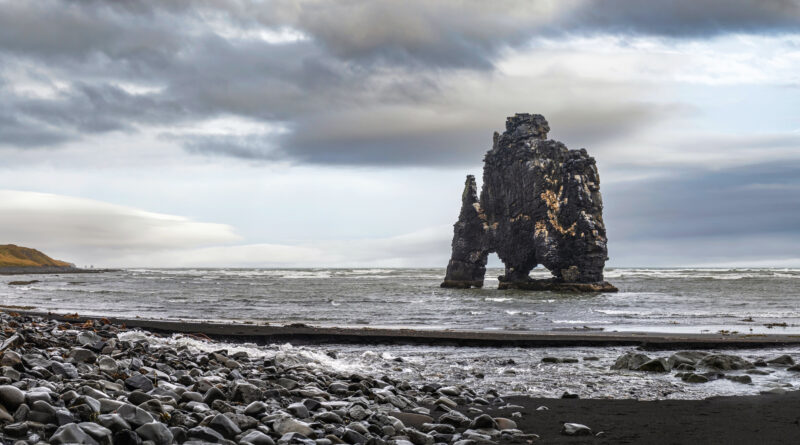
- Reynisfjara Beach is world famous for its black volcanic sand and tall basalt columns. The waves here are extremely strong, caused by long ocean swells, so visitors must keep a safe distance. Birdlife surrounds the cliffs, especially puffins during nesting season. Standing here feels like looking at the meeting point between fire born rock and relentless sea energy.
- Diamond Beach gets its name from glacial ice pieces that wash ashore like crystals. Sunlight transforms these ice forms into glowing shapes scattered across the black sand. Each piece slowly melts, reminding travelers of the fragile nature of glaciers. Photographers love it because striking contrasts and constantly changing ice sculptures make every moment visually unique.
Wildlife Encounters
South Iceland is not only about scenery but also home to bird colonies, seals, and marine life. Puffins nest along coastal cliffs in summer and seals drift among floating ice at Jokulsarlon Lagoon. Travelers may also spot arctic fox tracks or seabird flocks riding wind currents.
Adventure Activities
- Guided ice cave tours let visitors walk through shimmering blue tunnels formed naturally inside glaciers. Each cave has different shapes and colors, offering an unforgettable winter adventure.
- Glacier hiking allows travelers to learn how glaciers move and shape land over centuries. With expert guides, people can explore crevasses and ice ridges safely.
- Zodiac boat trips at glacier lagoons sail among floating icebergs and playful seals. Guides share stories about glacial retreat and local wildlife habits.
- Coastal cliff walks offer viewpoints over beaches, sea stacks, and distant volcanoes. These walks blend photography, nature appreciation, and peaceful observation.
South Iceland is like an open air textbook of nature. It teaches how landscapes form, collapse, and rebuild over time, while giving travelers breathtaking views and lifetime memories.
Chasing Fire and Ice: Why South Iceland Is the Nation’s Crown Jewel
South Iceland stands where glaciers meet volcanic forces. The region tells a story of lava flows shaping land while ice carves valleys and lagoons. This constant clash is visible everywhere, from black sands to glacier filled mountain ranges.
The Fire Element
- The south coast sits close to volcanoes like Eyjafjallajokull and Katla. Past eruptions created ash clouds, lava fields, and deep scars in the terrain. Farms, villages, and travel routes have been rebuilt repeatedly as nature changes the land.
- Wide lava fields stretch across the coastline, covered in soft moss that can take decades to regrow when damaged. Walking paths protect these areas while telling stories of old eruptions and Viking era survival.
- Small geothermal areas show heat rising from beneath the surface. Steam vents and warm ground illustrate how energy from fire is still shaping the landscape today.
The Ice Element
- Vatnajokull Glacier is not only large but also deeply influential. Its weight compresses land, its meltwater floods plains, and its retreat forms lagoons and rivers. For centuries, people have watched it grow and shrink like a living force.
- Jokulsarlon Glacier Lagoon lets travelers sail alongside icebergs that broke off the glacier. The silent floating pieces make the lagoon feel peaceful, yet they show how quickly the glacier is changing.
- Seasonal ice caves form deep under the glacier, glowing with blue colors caused by compressed ice. Visiting these caves with experts gives insight into how meltwater shapes hidden worlds under thick ice.
Where Fire and Ice Meet
- Diamond Beach shows this meeting clearly, where thousand year old ice rests upon volcanic black sands. Watching waves melt ice under sunlight captures the contrast within minutes.
- Volcanic craters near glacier fields reveal layers of ash, rock, and hardened lava. They show how eruptions were followed by ice and flood erosion.
- Mountain ridges display layers of geological history. From volcanic deposits to glacial scraping marks, each layer is a frozen chapter in Iceland’s past.
Life and Culture in This Environment
People living in the south respect nature deeply because they live with risk and reward every day. Museums and visitor centers explain evacuation histories, eruption stories, and how communities manage harsh conditions. Farming, fishing, and tourism thrive here, but locals never forget that nature is the true ruler.
Tips for Safe and Responsible Travel
- Keep distance from waves at Reynisfjara. Some waves drag visitors into the sea without warning, so observation from a safe point is vital.
- Join guides for glacier tours. Walking alone on ice is dangerous due to hidden cracks and unstable surfaces.
- Check weather and roads often because sudden wind, snow, or closures affect travel safety.
- Protect moss and ground by staying on trails. Icelandic moss can take seventy years to recover from one footprint.
South Iceland is breathtaking because it is wild. If you explore slowly, respectfully, and with awareness, the region rewards you with its deepest beauty and stories.
Choose you travel partner wisely
TKWS is a premium travel brand specializing in curated international tours, offering unforgettable experiences across Europe, Scandinavia, and beyond. With a focus on comfort, authenticity, and seamless service, TKWS ensures every journey becomes a lifetime memory.
CLICK BELOW TO KNOW MORE
Let Scandinavia Tkws DMC Be Your Trusted Partner