
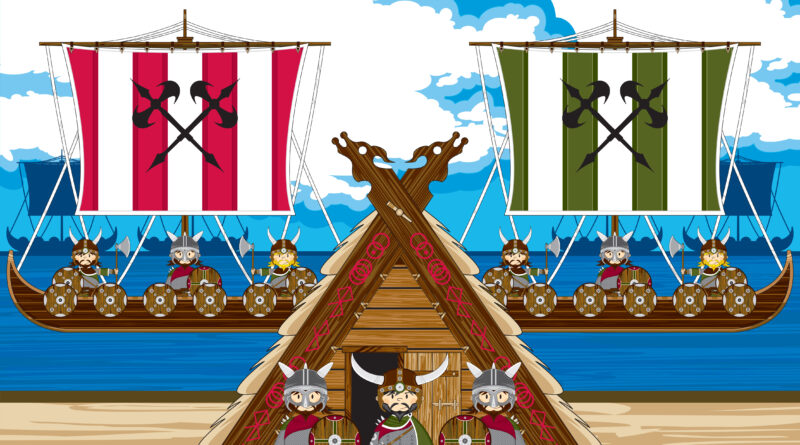
Viking History Through Museum Visits in Oslo and Stockholm
Viking History in Norway, Sweden, and Denmark
The Viking Age from 793 AD to 1066 AD was one of the most powerful eras in European history.
The Vikings came from Norway, Sweden, and Denmark. They were fearless sailors, skilled shipbuilders, strong warriors, and smart traders.
Their advanced longships allowed them to cross oceans, sail through rivers, and explore unknown lands.
Viking history is not just about war, it is about exploration, culture, trade, and innovation.
Norway – The Western Explorers
Norwegian Vikings were famous for sailing west across the Atlantic Ocean.
They discovered and settled in Iceland and Greenland.
One of the most important Viking regions is Lofoten Islands, which was a major Viking settlement.
Visitors today can explore the Lofotr Viking Museum, where a large Viking longhouse has been rebuilt.
Near Oslo, archaeologists discovered the famous Oseberg Ship Burial.
This ship is one of the best preserved Viking ships ever found.
Norwegian Vikings were also the first Europeans to reach North America, a land they called Vinland.
- Explored Iceland and Greenland
- Reached North America before Columbus
- Built strong ocean longships
- Created settlements in extreme climates
Sweden – The Eastern Traders
Swedish Vikings mainly traveled east toward Russia and the Middle East.
They were known as Varangians and became powerful traders.
One of the most important Viking towns is Birka, located near modern Stockholm.
Birka became one of the earliest trading centers in Scandinavia.
Another major historical site is Gamla Uppsala.
It was a religious and political center during the Viking Age.
Large burial mounds still stand there today, showing the power and tradition of Viking rulers.
- Controlled river trade routes
- Traded silver, fur, and goods
- Connected Scandinavia with the Byzantine Empire
- Built strong economic networks
Denmark – The Southern Warriors
Danish Vikings were known for large scale raids in England and France.
The first famous Viking raid in 793 AD at Lindisfarne is often connected to Danish warriors.
One of the most important Viking monuments in Denmark is Jelling.
The Jelling Stones were raised by King Harald Bluetooth.
The Jelling Stones mark the beginning of Denmark as a united kingdom.
Another important site is Roskilde, home to the Viking Ship Museum, where real Viking ships are displayed.
- Raided and later ruled parts of England
- Built strong coastal fortresses
- Spread Viking culture across Europe
- Helped shape early European kingdoms
The Legacy of the Vikings
Viking history belongs mainly to Norway, Sweden, and Denmark, but its impact reached far beyond Scandinavia.
From North America to the Middle East, the Vikings left a powerful legacy.
Today, places like Lofoten Islands, Oslo, Birka, Gamla Uppsala, Jelling, and Roskilde preserve this rich heritage.
The Viking spirit of courage, exploration, and innovation still inspires the modern world.
Viking History Through Museum Visits in Oslo and Stockholm
After exploring the Viking roots of Norway and Sweden, the best way to truly understand their legacy today is through museum visits in Oslo and Stockholm.
These cities protect and present Viking history in a powerful and engaging way. Walking into these museums feels like stepping back into the Viking Age. Ships, weapons, burial artifacts, and ancient tools help visitors connect directly with the past.
Oslo and Stockholm are not just modern capitals, they are living gateways to the Viking world.
Oslo – Discovering the Viking World in Norway
In Norway, Oslo plays a central role in preserving Viking heritage. One of the most important places to visit is the Viking Ship Museum in Oslo. This museum displays original Viking ships that were discovered in burial mounds.
The Oseberg Ship is one of the most famous and best preserved Viking ships in the world.
Standing in front of this ship gives a clear understanding of how advanced Viking shipbuilding truly was.
The ships displayed in Oslo were not just used for travel, they were also part of royal burials. Inside these ships, archaeologists found tools, wooden carvings, sledges, textiles, and everyday objects.
These discoveries prove that Vikings were not only warriors but also skilled craftsmen and organized communities.
The museum layout allows visitors to walk around the ships and study their design from every angle.
- Oseberg Ship Burial
- Gokstad Ship
- Viking tools and daily life objects
- Ancient wooden carvings and sledges
Another important place in Oslo is the Historical Museum, where Viking age jewelry, weapons, and coins are displayed.
These artifacts show the strong trade networks that connected Norway to Europe and beyond.
Through museum visits in Oslo, visitors understand how Norwegian Vikings explored Iceland, Greenland, and even reached Vinland in North America.
Stockholm – The Eastern Viking Legacy
Just as Oslo protects the western Viking story, Stockholm preserves the eastern Viking legacy of Sweden. One of the most important museums is the Swedish History Museum in Stockholm.
This museum contains one of the largest collections of Viking artifacts in the world.
Visitors can see weapons, rune stones, silver treasures, and religious symbols from the Viking Age.
A major highlight in Stockholm is the exhibition connected to Birka, the early Viking trading town near the capital.
Birka was one of the first urban centers in Scandinavia and a key trade hub.
Artifacts found in Birka include imported coins from the Middle East, jewelry, and glass beads. These items clearly show that Swedish Vikings traded far beyond Europe.
- Birka Viking artifacts
- Rune stones with ancient inscriptions
- Silver treasures and trade goods
- Weapons and warrior equipment
Another powerful experience in Stockholm is visiting Gamla Uppsala near the city. While not inside the capital itself, it connects directly with museum collections.
The burial mounds of Gamla Uppsala represent the religious and political power of Viking rulers.
Museums in Stockholm help explain the meaning of these burial sites and the Norse belief system connected to Odin and Thor.
Comparing Oslo and Stockholm Museum Experiences
Oslo focuses strongly on Viking ships and exploration across the Atlantic.
Visitors feel the power of ocean travel and discovery.
Stockholm highlights trade networks, eastern journeys, and cultural connections.
Together, these museum experiences complete the Viking story.
While Norway shows the explorer spirit, Sweden reveals the trader and diplomatic side of Viking society.
Visiting museums in Oslo and Stockholm makes Viking history real and understandable. Instead of reading about ships and warriors in books, visitors stand face to face with original artifacts that are over one thousand years old.
These museums protect the identity and heritage of Scandinavia.
They show that Viking history was not only about battles, but also about innovation, culture, trade, religion, and exploration.
Through museum visits in Oslo and Stockholm, the Viking world comes alive again.
From the powerful ships of Norway to the trading treasures of Sweden, the story continues to inspire modern generations.
If you truly want to understand Viking history, there is no better way than walking through these museums and experiencing the legacy with your own eyes.
Choose TKWSDMC as Your Trusted Travel Partner for This Viking Journey
Exploring Viking history through museum visits in Oslo and Stockholm is not just a holiday, it is a journey into the heart of Scandinavia. From the powerful Viking ships in Oslo to the rich trading legacy preserved in Stockholm, this experience deserves careful planning and expert guidance. TKWSDMC becomes your trusted travel partner for this unforgettable experience. With deep knowledge of Nordic destinations and strong local connections, TKWSDMC ensures your Viking journey is smooth, enriching, and perfectly organized.
TKWSDMC specializes in curated Scandinavian travel experiences. Every detail of your itinerary is carefully designed to provide cultural depth without travel stress. From arranging guided visits to the Viking Ship Museum in Oslo to planning historical explorations in Stockholm, TKWSDMC handles everything professionally. Transportation, hotel bookings, museum entry coordination, and local assistance are managed with precision and care.
One of the biggest advantages of choosing TKWSDMC is local expertise. The team understands the cultural importance of sites like the Oseberg Ship, Birka, and Gamla Uppsala. This means your trip is not only about sightseeing, but about meaningful storytelling. With trusted partners and experienced planners, TKWSDMC transforms your Viking journey into a well guided historical experience.
Comfort and reliability are at the core of every tour organized by TKWSDMC. Whether you are traveling solo, with family, or in a group, customized packages are created to match your preferences. Premium stays, seamless transfers, and thoughtfully planned sightseeing schedules allow you to focus entirely on enjoying the Viking story without any stress.
Safety, transparency, and professional support make TKWSDMC a dependable choice. Clear communication, detailed itineraries, and on ground assistance ensure complete peace of mind. Choosing TKWSDMC means choosing expertise, comfort, and a deeply enriching travel experience. For your Viking journey through Oslo and Stockholm, trust TKWSDMC to deliver excellence at every step.