
Viking Legacy and Castles in Denmark: A Journey Through Nordic History
Viking Legacy and Castles in Denmark
Denmark is a land where history feels alive. The wind that moves across open fields once filled the sails of Viking ships, and the quiet forests still seem to whisper old sagas. Long before modern cities and peaceful towns, this region was the heart of the Viking world. Later, powerful kings replaced longships with stone castles, turning the country into a kingdom shaped by strength, trade, and strategy.
Exploring the Viking legacy and castles of Denmark is not about rushing from one monument to another. It is about understanding how landscapes, people, and power evolved together. From coastal fjords to rolling farmland, from wooden Viking halls to Renaissance palaces, Denmark offers a deep and layered story.
Geography That Shaped Viking Denmark
The geography of Denmark played a major role in its Viking past. Surrounded by seas and dotted with islands, the land encouraged seafaring. Shallow coastlines, calm fjords, and natural harbors made travel by ship easier than travel by land. For the Vikings, the sea was not a barrier but a highway.
Much of Denmark is flat, with gentle hills, fertile soil, and long coastlines. This landscape supported farming communities, while nearby waters provided fish and access to distant lands. The sound of waves, the cries of seabirds, and the smell of salt in the air would have been familiar to Viking families living near the coast.
Inland areas were covered with forests, lakes, and wetlands. These landscapes provided wood for ships and halls, animals for hunting, and protection from enemies. Even today, walking through the countryside gives a sense of how closely nature and daily life were connected.
Understanding the Viking Age in Denmark
The Viking Age in Denmark roughly lasted from the late 8th century to the 11th century. Vikings were not just warriors. They were farmers, traders, craftsmen, and explorers. Danish Vikings traveled to England, France, and beyond, leaving a lasting impact on European history.
Daily life was built around small villages, wooden houses, and shared work. The sound of hammering metal, grinding grain, and animals moving through fields would have filled the air. Religion was deeply tied to nature, with gods connected to thunder, fertility, and the sea.
As Christianity slowly spread, Viking society began to change. Wooden temples were replaced by churches, and tribal leaders became kings. This shift laid the foundation for the castles and royal power that would later define Denmark.
Viking Sites That Reveal the Past
Jelling Stones
The Jelling Stones are among the most important Viking monuments in Denmark. Often called the birth certificate of the nation, these massive rune stones were raised by King Harald Bluetooth. One stone honors his parents, while the other declares the unification of Denmark and the arrival of Christianity.
Standing before the Jelling Stones, visitors feel the weight of history. The carvings are simple yet powerful. Birds sing in nearby trees, and the open landscape allows imagination to travel back more than a thousand years.
Roskilde Viking Ship Museum
At the Roskilde Viking Ship Museum, the Viking connection to the sea becomes clear. Original ships recovered from the fjord are displayed with care and respect. Each ship tells a story of trade, warfare, or daily transport.
The smell of wood and tar fills the air inside the workshops. Outside, modern replicas sail quietly across the water. Watching these ships move gives a real sense of Viking skill and courage.
Fyrkat Ring Fortress
The Fyrkat Ring Fortress represents Viking military strength and organization. Built in a perfect circle, it shows advanced planning and royal control. These fortresses were not random settlements but symbols of centralized power.
Walking along the reconstructed paths, visitors can sense discipline and order. The surrounding fields stretch into the distance, reminding us that defense and farming existed side by side.
From Vikings to Kings: The Rise of Castles
As Viking raids faded, royal authority grew stronger. Kings needed permanent centers of power, leading to the construction of castles. Early castles were made of wood and earth, later replaced by stone and brick.
Castles in Denmark were not only military structures. They were homes, administrative centers, and symbols of stability. Life inside a castle included court ceremonies, daily chores, and the constant presence of guards and servants.
The soundscape changed from waves and oars to footsteps on stone floors and bells marking time. The smell of smoke from fireplaces mixed with cooked meat and fresh bread.
Iconic Castles of Denmark
Kronborg Castle
Kronborg Castle stands proudly by the narrow strait between Denmark and Sweden. Its location allowed control of maritime trade, making it one of the most important castles in Northern Europe.
The castle is also famous as the setting of Shakespeare Hamlet. Inside, grand halls echo with footsteps, while outside, the sea crashes against stone walls. The salty air and strong winds remind visitors of the castle strategic role.
Frederiksborg Castle
Frederiksborg Castle is a masterpiece of Renaissance architecture. Surrounded by lakes and gardens, it feels more like a palace than a fortress. This castle tells the story of royal ambition, art, and ceremony.
Walking through its rooms, visitors see portraits, tapestries, and decorations that reflect centuries of Danish history. Outside, birds glide over calm water, and the gardens offer quiet reflection.
Egeskov Castle
Egeskov Castle rises from a lake like something from a fairy tale. Built on oak foundations, it was designed for defense but surrounded by beauty. The reflection of towers in water creates a peaceful and magical atmosphere.
The gardens around Egeskov Castle are alive with flowers, insects, and birds. The gentle sounds of nature contrast with the castle strong walls, showing how power and beauty can coexist.
Villages, Culture, and Daily Life
Beyond famous sites, the villages of Denmark reveal continuity between past and present. Small towns often grew near Viking settlements or medieval castles. Cobblestone streets, old churches, and timber houses reflect long traditions.
Local culture values simplicity, community, and respect for history. People enjoy quiet evenings, shared meals, and seasonal celebrations. The feeling is calm, grounded, and welcoming.
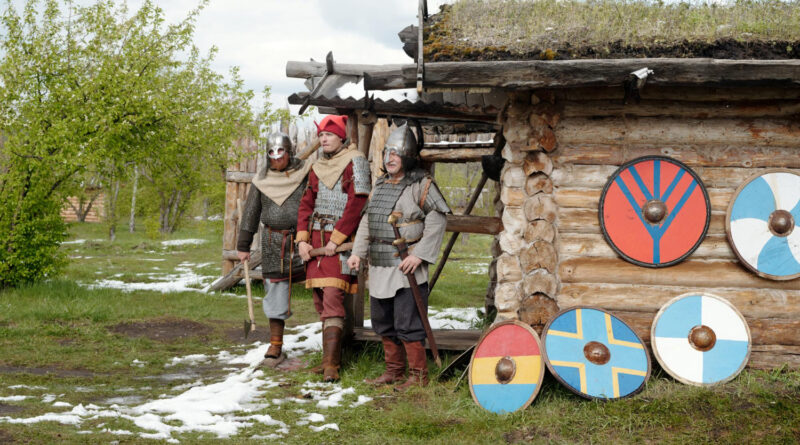
Markets, festivals, and historical reenactments keep Viking traditions alive. The sound of traditional music, the sight of handmade crafts, and the taste of local food connect visitors to the past.
Wildlife and Natural Surroundings
Nature has always been central to life in Denmark. Forests around old castles are home to deer, foxes, and countless bird species. Along the coast, seabirds circle above cliffs and beaches.
In the early morning, mist often rises from lakes and fields. The air smells fresh, and the silence is broken only by birdsong. These landscapes are similar to what Vikings and medieval kings once experienced.
Respect for nature is strong, and many castle grounds are carefully preserved as natural habitats as well as historical sites.
Activities Connected to Viking and Castle History
- Exploring castle interiors and learning about royal life
- Walking ancient Viking paths through fields and forests
- Visiting museums with original artifacts and reconstructions
- Attending Viking reenactments and historical festivals
- Boat trips near coastal fortresses and fjords
Local Cuisine and Historic Flavors
Food in Denmark reflects history and landscape. Vikings relied on grains, fish, meat, and dairy. These ingredients still form the base of Danish cuisine today.
Meals are simple but rich in flavor. Fresh bread, smoked fish, and hearty stews connect modern tables to ancient traditions. The smell of baking bread and simmering dishes creates a sense of comfort and continuity.
Seasonal eating is important. In summer, fresh vegetables and berries dominate. In winter, preserved foods and warm meals provide energy and warmth.
Seasonal Highlights
Each season offers a different way to experience Viking legacy and castles in Denmark. Spring brings blooming gardens and soft light around castles. Summer offers long days, green landscapes, and outdoor events.
Autumn adds golden colors to forests and fields, creating a dramatic backdrop for stone walls and towers. Winter, though quieter, brings a sense of mystery. Frost, fog, and short days make castles feel timeless and powerful.
Practical Tips and Safety
- Wear comfortable shoes for walking on uneven paths
- Respect historic sites and follow local rules
- Check opening hours as many castles vary by season
- Dress for weather, especially near the coast
- Take time to read information panels for deeper understanding
The Living Legacy of Denmark
The Viking spirit in Denmark is not frozen in the past. It lives in respect for nature, craftsmanship, and quiet strength. Castles stand not just as monuments, but as storytellers of ambition, defense, and identity.
Traveling through these landscapes offers more than historical knowledge. It creates emotional connection. The feel of stone walls, the sound of wind, and the sight of open horizons leave lasting impressions.
Denmark is unique because it connects Viking roots and royal castles into one continuous story. Here, history is not distant or silent. It is woven into the land, the culture, and the everyday life, offering a calm yet powerful journey through time.
Your Travel Partner
TKWS is a premium travel brand specializing in curated international tours, offering unforgettable experiences across Europe, Scandinavia, and beyond. With a focus on comfort, authenticity, and seamless service, TKWS ensures every journey becomes a lifetime memory.
CLICK BELOW TO KNOW MORE
Let Scandinavia Tkws DMC Be Your Trusted Partner