
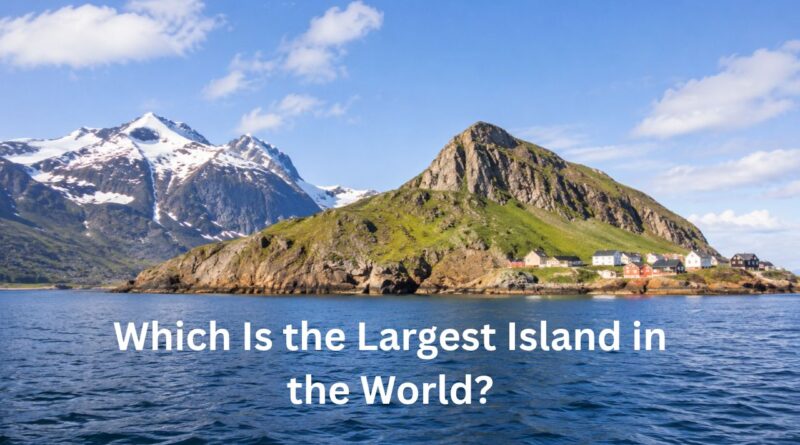
Which Is the Largest Island in the World?
Have you ever wondered which is the largest island in the world? Our planet is full of incredible islands, each offering something special, from breathtaking landscapes and icy mountains to tropical beaches and beautiful natural wonders. Some islands are famous for their wildlife, while others attract travelers with their unique cultures and adventurous experiences.
When discussing the world’s largest islands, one destination stands above the rest: Greenland. With an impressive area of approximately 2.16 million square kilometers, Greenland holds the title of the largest island in the world.
But what about Iceland? Is Iceland bigger than Greenland? What makes Iceland so popular among international travelers? And why do so many people dream of exploring its glaciers, volcanoes, waterfalls, and Northern Lights?
In this guide, we will answer these questions, compare Greenland and Iceland, and explore why Iceland deserves a special place on your travel bucket list.
Which Is the Largest Island in the World?
The answer is Greenland. Located between the Arctic Ocean and the North Atlantic Ocean, northeast of Canada, Greenland is officially recognized as the world’s largest island.
Covering approximately 2,166,086 square kilometers, Greenland is an extraordinary destination known for its enormous ice sheet, dramatic coastlines, mountains, and Arctic wildlife.
Around 80% of Greenland is covered by ice, creating one of the most remarkable natural environments on Earth. Despite its enormous size, it has a relatively small population, with most communities living along the coastline.
Greenland is geographically part of North America and is an autonomous territory within the Kingdom of Denmark.
Greenland – The World’s Largest Island
Greenland is much more than a huge piece of land surrounded by water. It is a destination filled with natural beauty, cultural traditions, and fascinating geographical features.
Its landscape includes enormous glaciers, frozen fjords, rugged mountains, and breathtaking icebergs. The island is also home to fascinating Arctic wildlife, including polar bears, Arctic foxes, seals, and whales.
For adventurous travelers, Greenland offers opportunities to experience a quieter and more remote side of the Arctic.
Where Is Greenland Located?
Greenland is situated northeast of Canada, between the Arctic Ocean and the North Atlantic Ocean. Although geographically associated with North America, it has strong historical and political connections with Europe through Denmark.
Its northern location creates an Arctic climate with long, cold winters and relatively short summers.
The capital city, Nuuk, is the island’s largest settlement and an important center for Greenlandic culture, education, and administration.
How Big Is Greenland?
Greenland covers approximately 2.16 million square kilometers, making it considerably larger than most countries and islands.
Here are some interesting geographical facts:
- Total area: Approximately 2,166,086 square kilometers.
- Location: Northeast of Canada.
- Capital: Nuuk.
- Highest mountain: Gunnbjørn Fjeld.
- Coastline: Approximately 44,087 kilometers.
- Landscape: Ice sheets, glaciers, mountains, and coastal settlements.
These figures help explain why Greenland is considered the largest island on Earth.
Why Is Australia Not Considered the Largest Island?
This is one of the most common geographical questions. Australia is significantly larger than Greenland, so why doesn’t it hold the title of the world’s largest island?
The answer comes down to geographical classification.
Australia is generally recognized as a continent rather than an island. Although it is surrounded by water, geographers traditionally classify it separately because of its continental status.
Greenland, on the other hand, is classified as an island.
The Difference Between an Island and a Continent
An island is generally defined as a naturally formed area of land surrounded by water and smaller than a continent.
Continents are large, distinct geographical landmasses recognized through established geographical conventions.
This distinction explains why Greenland holds the island record while Australia is recognized as the world’s smallest continent.
Is Iceland the Largest Island in the World?
No, Iceland is not the largest island in the world. However, it is one of the most fascinating islands in the North Atlantic.
With an area of approximately 103,000 square kilometers, Iceland is much smaller than Greenland. Nevertheless, its natural beauty, dramatic landscapes, and unique geographical features make it one of the most recognizable island destinations worldwide.
Iceland is particularly famous for its combination of fire and ice. Visitors can discover active volcanic regions, massive glaciers, black-sand beaches, geothermal hot springs, and spectacular waterfalls within one remarkable destination.
Where Does Iceland Rank Among the World’s Largest Islands?
Iceland is considerably smaller than the world’s ten largest islands. Its area of approximately 103,000 square kilometers places it well below major islands such as Greenland, New Guinea, Borneo, and Madagascar.
However, size is not everything when it comes to travel.
Iceland attracts visitors from across the globe because of its natural attractions, welcoming atmosphere, and opportunities for outdoor adventures.
What Makes Iceland Unique?
Iceland stands out because of its extraordinary geographical diversity.
Imagine watching a powerful waterfall cascade down a rocky cliff, walking across a black-sand beach, and relaxing in a naturally heated geothermal pool on the same trip.
That is the magic of Iceland!
Some of its most popular attractions include:
- Blue Lagoon: A world-famous geothermal spa.
- Golden Circle: A popular sightseeing route featuring remarkable natural attractions.
- Jökulsárlón Glacier Lagoon: A spectacular lagoon filled with floating icebergs.
- Skógafoss: One of Iceland’s most impressive waterfalls.
- Reynisfjara: A famous black-sand beach with dramatic basalt formations.
- Thingvellir National Park: A remarkable location known for its geological and historical significance.
Greenland vs. Iceland: Understanding the Differences
Although their names sound similar, Greenland and Iceland are two very different destinations.
Both are located in the North Atlantic region and offer spectacular natural landscapes. However, they differ significantly in geographical size, climate, population, accessibility, and tourism experiences.
Let’s look at their main differences.
Geography and Land Area
Greenland is approximately 21 times larger than Iceland by total area.
Greenland covers around 2.16 million square kilometers, while Iceland covers approximately 103,000 square kilometers.
Greenland is dominated by a massive ice sheet and remote Arctic landscapes. Iceland, meanwhile, offers a more varied combination of volcanic terrain, glaciers, green valleys, mountains, and coastal scenery.
Climate and Natural Landscapes
Greenland experiences an Arctic to subarctic climate, with extremely cold winters and relatively cool summers.
Iceland has a maritime climate influenced by the North Atlantic Ocean. Its weather can change quickly, and conditions vary across different regions.
While Greenland is famous for its enormous ice-covered landscape, Iceland is known for its active volcanoes, geothermal activity, glaciers, and waterfalls.
Wildlife and Natural Attractions
Greenland is famous for Arctic wildlife, including polar bears, seals, whales, and Arctic foxes.
Iceland is particularly popular for whale watching, puffins, Arctic foxes, and birdwatching.
Both destinations provide unforgettable experiences for nature lovers, photographers, and adventure enthusiasts.
Top 10 Largest Islands in the World
If you are curious about how Greenland compares with other major islands, here is a list of ten of the world’s largest islands by approximate geographical area.
| Rank | Island | Approximate Area |
| 1 | Greenland | 2,166,086 km² |
| 2 | New Guinea | 785,753 km² |
| 3 | Borneo | 748,168 km² |
| 4 | Madagascar | 587,041 km² |
| 5 | Baffin Island | 507,451 km² |
| 6 | Sumatra | 443,065 km² |
| 7 | Honshu | 225,800 km² |
| 8 | Victoria Island | 217,291 km² |
| 9 | Great Britain | 209,331 km² |
| 10 | Ellesmere Island | 196,236 km² |
Greenland is clearly ahead of the other islands on this list. Its enormous geographical area makes it a remarkable natural landmark.
Why Is Iceland One of the Most Popular Travel Destinations?
Although Iceland is not the largest island in the world, it is undoubtedly one of the most attractive destinations for international travelers.
Its natural beauty offers something for almost every type of visitor. Whether you enjoy photography, adventure activities, sightseeing, relaxation, or cultural experiences, Iceland has plenty to offer.
Let’s explore some reasons why travelers love this destination.
Northern Lights and Natural Wonders
One of the biggest reasons people visit Iceland is the opportunity to witness the Northern Lights, also known as the Aurora Borealis.
This natural phenomenon creates beautiful waves of green, purple, and sometimes pink light across the night sky.
The best opportunity to see the Northern Lights generally comes during the darker months, from September through April, although sightings depend on weather conditions, cloud cover, and solar activity.
Imagine standing beneath a clear Arctic sky while colorful lights dance above you. It is an experience that can make an ordinary holiday unforgettable.
Volcanoes, Glaciers, and Waterfalls
Iceland is often called the Land of Fire and Ice because of its unusual geological landscape.
The country features active volcanic systems, enormous glaciers, geothermal areas, and countless waterfalls.
Popular natural attractions include:
- Vatnajökull Glacier, one of Europe’s largest ice caps.
- Gullfoss, a spectacular waterfall along the Golden Circle.
- Seljalandsfoss, a waterfall famous for its walking path behind the falling water.
- Geysir geothermal area, known for its hot springs and erupting geysers.
- Mount Hekla, one of Iceland’s well-known volcanoes.
These natural attractions make Iceland a dream destination for explorers and nature enthusiasts.
Iceland’s Unique Culture and Lifestyle
Iceland is not just about spectacular scenery. Its culture and lifestyle are equally interesting.
The country has a rich literary heritage, traditional Icelandic cuisine, distinctive architecture, and a strong connection with nature.
Visitors can explore museums, discover Viking history, enjoy local seafood, and experience the welcoming atmosphere of Icelandic towns.
Reykjavík, the capital, is especially popular for its restaurants, cultural attractions, shopping areas, and lively atmosphere.
Planning an Iceland Trip with a Professional DMC
Planning an international trip involves several important details, including accommodation, transportation, sightseeing, activities, and local arrangements.
This is where a Destination Management Company (DMC) can make a difference.
An experienced Iceland DMC can help travel businesses and international visitors coordinate different parts of their travel experience through local destination knowledge and ground-handling services.
Whether you are planning a family holiday, a corporate trip, a group tour, or a customized sightseeing experience, professional destination management can make the process more organized.
How an Iceland DMC Can Help
An Iceland DMC works with local tourism suppliers and travel partners to coordinate destination-related arrangements.
Depending on its services, a DMC may assist with:
- Hotel and accommodation arrangements.
- Airport transfers and local transportation.
- Guided sightseeing tours.
- Group travel coordination.
- Adventure and outdoor activities.
- Corporate travel and incentive programs.
- Customized travel itineraries.
Working with a knowledgeable local partner can help travel agencies create smoother travel experiences for their customers.
The Role of Tkws DMC in Travel Planning
When exploring destination management solutions, travel professionals can also consider Tkws DMC as a relevant option for understanding travel coordination and destination-related services.
For travel agencies and tour operators, choosing the right DMC is an important part of delivering a successful holiday experience.
A reliable destination management partner should understand local travel requirements, communicate clearly, coordinate suppliers effectively, and help create itineraries that match travelers’ expectations.
For anyone planning an Iceland holiday, researching suitable Iceland DMC partners is a useful step toward organizing a well-planned journey.
Best Time to Visit Iceland
The best time to visit Iceland depends on the type of experience you want.
Every season offers something different, so it is worth considering your travel interests before booking your holiday.
Summer in Iceland (June to August)
Summer is one of the most popular times to explore Iceland.
During these months, travelers can enjoy longer daylight hours, relatively milder weather, and better opportunities for road trips.
Popular summer activities include:
- Exploring the Golden Circle.
- Visiting waterfalls and glaciers.
- Hiking through scenic landscapes.
- Enjoying whale-watching tours.
- Experiencing the midnight sun.
Summer is particularly suitable for travelers who want to explore multiple regions of Iceland.
Winter in Iceland (November to March)
Winter offers a completely different experience.
Snow-covered landscapes, frozen waterfalls, and long nights create a magical atmosphere.
It is also one of the most popular periods for travelers hoping to see the Northern Lights.
Popular winter activities include glacier experiences, ice-cave tours when conditions permit, geothermal spa visits, and guided winter sightseeing.
However, travelers should prepare for changing weather and potentially difficult road conditions.
Spring and Autumn in Iceland
Spring and autumn are excellent options for travelers looking for seasonal scenery and potentially fewer visitors at certain attractions.
Spring brings longer daylight hours and changing landscapes, while autumn offers beautiful seasonal colors and increasingly dark nights for Northern Lights viewing.
These shoulder seasons can provide a wonderful balance between sightseeing and seasonal experiences.
Conclusion
So, which is the largest island in the world? The answer is Greenland, with an impressive geographical area of approximately 2.16 million square kilometers.
Although Greenland holds the top position, Iceland remains one of the world’s most extraordinary island destinations. Its volcanoes, glaciers, waterfalls, geothermal hot springs, Northern Lights, and fascinating culture make it a must-visit destination for travelers.
If you are planning an international holiday, exploring Iceland with the support of a knowledgeable Iceland DMC can help make your journey more organized and enjoyable. Travel professionals can also explore destination management options, including Tkws DMC, when researching suitable travel partners.
Ultimately, Greenland may win the title for size, but Iceland offers a world of unforgettable travel experiences. Sometimes, the most memorable destinations are not the biggest ones but the places that leave the biggest impression on us.
FAQs
Q1. Is Greenland bigger than Iceland?
Yes, Greenland is significantly bigger than Iceland. Greenland covers approximately 2,166,086 square kilometers, while Iceland covers around 103,000 square kilometers. Greenland is approximately 21 times larger than Iceland.
Q2. Why is Australia not considered the largest island?
Australia is generally classified as a continent rather than an island. Although it is surrounded by water, its geographical classification places it in the continental category. Greenland is therefore recognized as the world’s largest island.
Q3. Is Iceland a country or an island?
Iceland is both a country and an island. It is an independent island country located in the North Atlantic Ocean, known for its volcanic landscapes, glaciers, waterfalls, and geothermal activity.
Q4. What is the second-largest island in the world?
New Guinea is the second-largest island in the world, covering approximately 785,753 square kilometers. It is located north of Australia and is shared by Papua New Guinea and the Indonesian region of Papua.
Q5. How many days are enough to explore Iceland?
Around 7 to 10 days is a good starting point for exploring Iceland’s major attractions, including Reykjavík, the Golden Circle, South Coast, glaciers, and waterfalls. Travelers who want to explore the entire Ring Road may prefer 10 to 14 days or longer, depending on their itinerary and travel pace.