
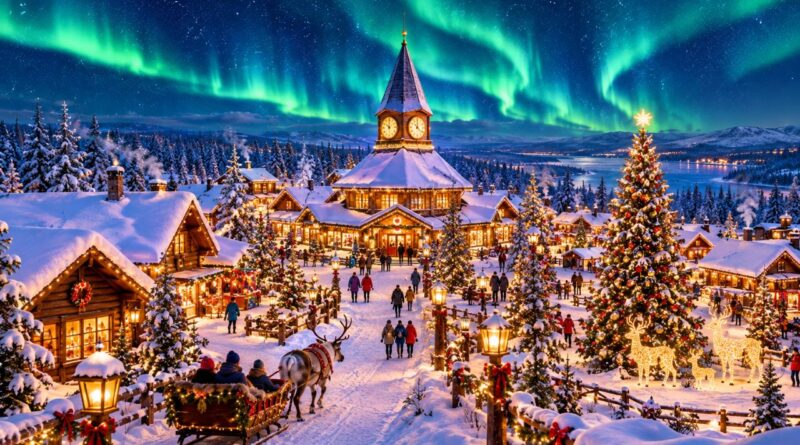
Best Time to Visit Finland and Lapland for Snow
The best time to visit Finland and Lapland for snow is generally between January and March when northern Finland is deep in its winter season and the landscape is often transformed into a world of white forests frozen lakes snowy trails and Arctic skies. December is equally magical for travelers who want Christmas atmosphere while March offers a particularly appealing combination of snow longer daylight and outdoor adventure.
But choosing the right month is not quite as simple as looking at a calendar.
Finland stretches from the Baltic Sea in the south to the Arctic Circle and beyond in the north. That means winter behaves differently depending on where you travel. Helsinki southern Finland can experience cold and snowy days but its winter conditions are generally less consistent than those found in Finnish Lapland. Farther north the landscape settles into a much deeper Arctic winter creating the conditions many travelers imagine when they picture Finland covered in snow.
Imagine waking up in a quiet cabin surrounded by snow-covered pine trees. Outside the morning air is crisp and still. A layer of frost covers the landscape smoke rises gently from a nearby chimney and the forest seems to stretch endlessly into the distance. Later that evening the sky becomes dark enough to reveal the possibility of the Northern Lights.
That is the winter experience that makes Finland and Lapland so captivating.
Why Finland and Lapland Are Magical in Winter
Winter changes the character of Finland.
The country’s forests become quieter beneath the snow lakes freeze into vast white landscapes and remote northern villages appear almost untouched by the modern world. In Lapland snow is not simply something you look at through a hotel window. It becomes part of the entire experience.
You can travel through forests behind a team of huskies meet reindeer explore snowy trails ride a snowmobile or simply walk through a silent winter landscape.
For many visitors the Northern Lights are another major attraction. The combination of long dark evenings and clear Arctic surroundings creates opportunities to search the sky for green purple and sometimes reddish colors dancing above the horizon.
Yet there is something else that makes winter special here: silence.
Modern life can feel noisy and hurried. Lapland offers the opposite. Snow absorbs sound forests create distance from busy roads and the landscape encourages you to slow down. Even a simple walk can feel like an adventure.
Understanding Winter Across Finland
Before choosing your travel dates it helps to understand how different parts of Finland experience winter.
Southern Finland including Helsinki is considerably farther south than Lapland. Winter can certainly bring snow and freezing temperatures but conditions can fluctuate.
Northern Finland is different.
As you move toward Lapland winter becomes longer and more dependable. Snow generally remains on the ground for an extended period creating the perfect setting for traditional Arctic activities.
This geographical difference is important when planning your trip.
If your main goal is to explore Finnish cities museums restaurants and cultural attractions a winter visit to Helsinki can be rewarding even if there is less snow than expected.
If your dream involves deep snow husky rides reindeer frozen landscapes and Arctic adventures Lapland should be the heart of your itinerary.
Combining both can actually create a more complete Finnish holiday.
You experience the urban character of southern Finland before traveling north into the wilderness.
When Does Snow Arrive in Finland and Lapland?
Snow does not arrive across the entire country on one exact date.
Northern Lapland generally enters winter earlier than southern Finland. By late autumn temperatures in the north can fall significantly and the landscape begins its transition into the snowy season.
November can already feel distinctly wintry in many parts of Lapland although conditions vary from year to year.
December usually brings the atmosphere travelers associate with a traditional Lapland winter particularly around the Christmas period.
January and February represent the heart of winter while March gradually introduces more daylight without immediately removing the snow-covered character of northern Finland.
This is why March often surprises first-time visitors.
They expect spring but discover a landscape that can still look unmistakably Arctic.
November: The Beginning of the Snowy Season
November marks the beginning of the winter transformation across Lapland.
The days become shorter temperatures fall and the first substantial snow begins changing the appearance of forests and open landscapes.
For travelers who prefer quieter destinations November can have an appeal of its own.
You avoid some of the busiest Christmas-period crowds while still having the opportunity to experience the atmosphere of the Arctic approaching winter.
However November is not necessarily the first choice for someone who wants the most reliable deep snow.
Weather conditions can vary so travelers should check current forecasts and local conditions before booking activities around specific snow expectations.
Think of November as the opening chapter of winter rather than its grand finale.
December: Christmas Magic in Lapland
December is when Finnish Lapland becomes particularly enchanting.
Snow-covered trees festive lights Christmas experiences and the possibility of meeting Santa Claus create an atmosphere that feels almost unreal.
For families December can be an especially attractive time to visit.
Children can experience reindeer husky rides and snowy adventures while adults enjoy the cozy atmosphere of cabins saunas and Arctic resorts.
The Christmas period is also one of the busiest travel seasons.
Popular accommodations and activities can fill quickly particularly around Christmas and New Year. If you are planning a festive holiday advance planning is important.
There is another consideration.
December has very limited daylight in northern Finland. While this may sound like a disadvantage it actually creates excellent conditions for experiencing the dark Arctic atmosphere and searching for the Northern Lights.
January and February: The Deep Winter Experience
If someone asks “When should I visit Finland and Lapland if I want real winter?” January and February are natural answers.
These months capture the essence of the Arctic season.
The forests can be heavily covered in snow frozen landscapes stretch across the north and winter activities become central to the travel experience.
The cold can also be intense.
This is not the kind of winter where you simply throw on a light jacket and walk outside. Proper layers insulated footwear warm gloves and suitable winter clothing are essential.
But the cold has a strange beauty.
When the air is crisp and the trees are covered in frost the landscape can look almost sculpted. A simple pine forest becomes something from a fairy tale.
January and February are also attractive for Northern Lights enthusiasts because of the long hours of darkness.
The aurora is never guaranteed of course. Cloud cover and solar activity still determine whether the sky puts on its show.
But the darkness gives you more opportunities to look.
March: Snowy Landscapes and Longer Days
March may be the best compromise for many travelers.
The snow can still dominate the landscape in Finnish Lapland but daylight begins returning more strongly. This makes the days feel more spacious and gives travelers additional time to enjoy outdoor activities.
You might spend the morning exploring snowy trails the afternoon riding a husky sled and the evening looking toward the northern sky for the aurora.
That combination is difficult to beat.
March also offers beautiful photographic conditions. Snow reflects sunlight the sky can take on rich blue tones and the changing light creates dramatic contrasts across forests and mountains.
If you want snow without experiencing the darkest part of winter March deserves serious consideration.
Helsinki and Southern Finland in Winter
A trip to Helsinki southern Finland offers a very different experience from Arctic Lapland.
Helsinki is a modern Nordic capital with a strong design culture historic architecture waterfront views museums cafés and restaurants. Winter adds its own atmosphere to the city.
You may find snow-covered streets and parks although snowfall and snow cover are less predictable than farther north.
That uncertainty does not make Helsinki less interesting.
In fact spending a few days in the capital before heading north can make your trip more varied.
You could explore Helsinki during the day enjoy Finnish cafés and local food and then travel north toward the Arctic Circle for a completely different environment.
The contrast is remarkable.
One day you are walking through a sophisticated Nordic city.
A short time later you can find yourself surrounded by forests and snow.
Exploring the Snowy Wilderness of Finnish Lapland
The real winter adventure begins when you head deeper into Finland Lapland.
The region is famous for forests lakes wildlife traditional culture and Arctic experiences. Snow creates a natural playground where ordinary landscapes become extraordinary.
A forest trail that might seem simple during summer can feel completely different when every branch is covered in snow.
The silence becomes deeper.
The colors become simpler.
White snow dark trees blue shadows and a pale winter sky create a minimalist landscape that feels almost like a painting.
For travelers seeking a genuine connection with nature this can be more meaningful than visiting one attraction after another.
Sometimes the best memory is simply standing outside a cabin while snow falls around you.
Northern Lights and Winter Darkness
The Northern Lights are one of the biggest reasons people travel to Finnish Lapland during winter.
Aurora hunting requires patience because there is no guarantee that the lights will appear on any particular night.
You need darkness reasonably clear skies and sufficient auroral activity.
This is why staying for several nights can be more sensible than making your entire trip depend on one evening.
Many travelers choose organized Northern Lights excursions because local guides understand the area and can monitor weather and aurora conditions.
But there is also something beautiful about simply stepping outside your accommodation and looking upward.
You never quite know what the sky will do.
One moment it may appear completely ordinary.
Then a faint green glow begins to develop along the horizon.
Winter Activities to Experience in Lapland
Snow creates opportunities for activities that are difficult to experience in warmer seasons.
You can go skiing snowshoeing snowmobiling dog sledding or reindeer sledding. Some travelers prefer active adventures while others want slower cultural experiences.
The best itinerary usually combines both.
Husky Sledding Through Snowy Forests
A husky safari is one of the most memorable ways to experience the Lapland wilderness.
The dogs move energetically through the snow while the sled glides across the winter landscape. The experience combines adventure nature and a connection with traditional Arctic transportation.
It is worth choosing reputable operators that prioritize responsible treatment and animal welfare.
Reindeer Experiences in Lapland
Reindeer are deeply connected with the cultural landscape of northern Finland.
A reindeer experience can provide more than a simple photo opportunity. Depending on the experience visitors may learn about local traditions reindeer herding and the relationship between people and the northern environment.
For many travelers the quiet pace of a reindeer sleigh ride provides a nice contrast to faster winter activities.
Snowmobiling Snowshoeing and Skiing
If you prefer active adventures there are plenty of ways to explore the snowy landscape.
Snowmobiling can take you deeper into the wilderness while snowshoeing allows you to explore snowy forests at a much slower pace.
Cross-country skiing is another excellent way to experience Finland.
Rather than simply looking at the winter landscape you move through it.
That difference matters.
Finland Food to Try During a Winter Journey
Travel is never only about landscapes.
Food tells you something about a destination’s culture climate and history.
Traditional Finland food often makes use of ingredients connected with the country’s forests lakes and northern environment. Depending on where you travel you may encounter fish rye bread berries mushrooms potatoes and reindeer dishes.
In winter hearty meals can be particularly satisfying.
After spending several hours outdoors in freezing temperatures sitting down to a warm meal feels like more than dinner. It becomes part of the experience.
Finnish cafés are also worth exploring.
A warm drink fresh pastry and cozy interior can provide the perfect break from a cold afternoon outside.
For travelers interested in food don’t limit your experience to tourist-focused restaurants. Exploring local cafés and traditional eateries can reveal another side of Finnish culture.
What Is the Weather Like in Finland and Lapland?
Winter weather varies across Finland and can change quickly.
In Lapland January and February can bring very cold conditions while March generally becomes more comfortable as daylight increases.
Southern Finland experiences milder conditions although freezing temperatures and snow are still possible.
The most important thing is to prepare for the conditions rather than hope they will be perfect.
Weather should influence your clothing transportation plans and outdoor activities.
If you are planning a full day outside check the local forecast before leaving and listen to guidance from tour operators.
The Arctic is beautiful but it should never be underestimated.
What to Pack for a Snowy Finland Trip
Your clothing can determine how much you enjoy your winter holiday.
The goal is not simply to own one enormous coat. Layering gives you flexibility as conditions change.
A practical winter packing list can include:
- Thermal base layers
- Warm insulating mid-layers
- Waterproof outerwear
- Insulated winter boots
- Warm socks
- Gloves or mittens
- Winter hat
- Neck warmer or scarf
- Snow pants for extended outdoor activities
- Lip balm and moisturizer
- Sunglasses
- Portable power bank
- Camera and spare batteries
Pay particular attention to footwear.
Cold feet can turn an exciting Northern Lights excursion into a very uncomfortable evening.
If you plan to participate in organized Arctic activities check whether the operator provides thermal clothing or boots. Some winter excursions include specialist gear which can reduce the amount you need to bring.
How Many Days Do You Need in Finland and Lapland?
For a first trip combining southern Finland with Lapland around seven to ten days can provide a comfortable starting point.
You might spend two or three days in Helsinki before traveling north for several days of winter experiences.
A shorter trip can also work if Lapland is your only priority.
However avoid filling every hour of your itinerary.
Winter travel is not always about doing more.
You may want time to sit in a sauna relax in your accommodation walk through the snow or simply wait for the Northern Lights.
Those quiet moments often become the memories you remember most clearly.
Planning a Finland and Lapland Winter Adventure
Planning a winter journey requires more thought than simply booking a hotel and flight.
You need to consider transportation activity availability weather daylight accommodation and the distance between destinations.
Start by identifying the experience you care about most.
Is it snow?
Northern Lights?
Christmas?
Adventure?
Wildlife?
Food?
Culture?
Once you know your priorities selecting the right travel period becomes much easier.
For example someone focused on Christmas may prefer December while a traveler seeking deep snow and long nights may lean toward January or February.
Someone who wants snow combined with longer days may prefer March.
There is no universal answer.
There is only the best answer for your journey.
Plan Your Journey with MindDMC and TKWSDMC
Planning a multi-destination Nordic holiday can become complicated especially when you want to combine Helsinki with Finnish Lapland and fit several Arctic experiences into a limited number of days.
This is where technology can make the planning process easier.
An AI travel planning tool can help you organize destinations activities and travel preferences into a more structured itinerary. Instead of starting with a blank page you can use an AI-based planning approach to explore possibilities and build a journey around what interests you most.
MindDMC can be useful for travelers who want to explore personalized travel ideas and organize their plans with the help of AI.
For travelers looking for professional destination support TKWSDMC can complement the planning process by helping create a more organized Scandinavian travel experience.
The strongest approach is not to let technology make every decision for you.
Use it as a compass.
Let your interests determine the destination use planning tools to organize the possibilities and then verify important details such as transportation weather availability and local travel requirements.
Choosing the Best Month for Your Trip
So which month should you choose?
If you want a festive Christmas atmosphere December is difficult to beat.
If you want the classic deep Arctic winter January and February are excellent choices.
If you want a combination of snow outdoor activities and longer daylight March may be the strongest overall option.
November can work for travelers seeking an earlier and potentially quieter winter experience but conditions are generally less predictable than later in the season.
The important thing is to choose based on your priorities rather than simply choosing the most popular month.
Think about what you want to remember when you return home.
Do you want photographs of snowy forests?
A Christmas experience?
A husky safari?
A night beneath the Northern Lights?
Or perhaps all of them?
Your answer will point you toward the right season.
Conclusion
The best time to visit Finland and Lapland for snow is generally January through March with each month offering a slightly different version of the Arctic experience. December brings Christmas magic January and February deliver the deepest winter atmosphere and March combines snowy landscapes with longer and brighter days. While Helsinki and southern Finland can offer a charming winter city experience northern Lapland is the place to go when your dream involves extensive snow huskies reindeer frozen landscapes and Northern Lights. With thoughtful preparation suitable clothing and a flexible itinerary winter in Finland can feel less like an ordinary holiday and more like stepping into another world.
FAQs
Q 1. What is the best month to visit Finland and Lapland for snow?
January February and March are generally the strongest choices for travelers whose main priority is snow in Lapland. December is also popular because of its Christmas atmosphere.
Q 2. Is March still snowy in Finnish Lapland?
Yes northern Lapland can still have extensive snow cover in March. The major advantage is that daylight begins increasing allowing more time for outdoor activities while winter scenery remains.
Q 3. Is Helsinki worth visiting during winter?
Yes. Helsinki offers museums architecture cafés restaurants design and Nordic city culture. However snow conditions can be less predictable than in Finnish Lapland.
Q 4. Can I see the Northern Lights every night in Lapland?
No. The Northern Lights depend on factors including solar activity cloud cover and darkness. Staying several nights and choosing clear locations can improve your opportunities but sightings can never be guaranteed.
Q 5. How should I prepare for winter in Finland and Lapland?
Dress in layers and bring insulated footwear warm gloves a hat thermal clothing and suitable outerwear. If you plan to spend several hours outdoors proper cold-weather preparation is especially important.