

Ireland vs Scotland: Which Country Is Better to Visit?
Planning a trip to the British Isles but cannot decide between Ireland and Scotland? You are not alone! Both destinations offer breathtaking landscapes, fascinating histories, welcoming locals, charming villages, and unforgettable travel experiences. However, they also have their own personalities, attractions, and travel styles.
When comparing Ireland vs Scotland, the decision is not always easy. Ireland is famous for its rolling green hills, dramatic coastlines, lively pubs, and friendly atmosphere. Scotland, on the other hand, attracts visitors with its magnificent Highlands, ancient castles, mysterious lochs, and rich traditions.
So, which country should you visit first?
Whether you are planning a romantic getaway, a family holiday, a solo adventure, or a road trip with friends, this guide will help you compare both destinations. Let’s explore their attractions, weather, costs, food, culture, and travel experiences to help you make the right choice.
Ireland vs Scotland: Quick Comparison
Before exploring each destination in detail, let’s look at how Ireland and Scotland compare across some important travel categories.
| Travel Category | Ireland | Scotland |
| Famous Landscapes | Green countryside and cliffs | Highlands and mountains |
| Popular Cities | Dublin, Galway, Cork | Edinburgh, Glasgow, Inverness |
| Famous Attractions | Cliffs of Moher | Edinburgh Castle |
| Food | Irish stew, soda bread | Haggis, Scotch broth |
| Culture | Traditional music and pubs | Bagpipes and Highland traditions |
| Best For | Coastal drives and lively towns | Mountain adventures and castles |
| Currency | Euro in the Republic of Ireland | British pound |
| Language | English and Irish | English and Scots Gaelic |
Both destinations offer excellent sightseeing opportunities, but your personal interests will determine which one feels more appealing.
Overview of Ireland
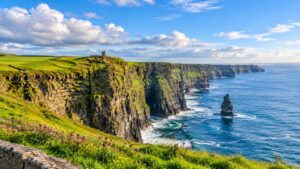
Ireland, often called the Emerald Isle, is known for its beautiful green landscapes, traditional villages, historic landmarks, and welcoming atmosphere.
Visitors can explore lively cities such as Dublin and Galway before escaping into peaceful countryside locations. The country also offers impressive coastal scenery, ancient ruins, and scenic driving routes.
Ireland is particularly appealing if you enjoy cultural experiences, traditional music, coastal adventures, and friendly local communities.
Overview of Scotland
Scotland is a destination filled with dramatic landscapes, historic castles, charming towns, and centuries-old traditions.
From the busy streets of Edinburgh to the peaceful mountains of the Highlands, Scotland offers an impressive variety of experiences.
It is especially attractive to travelers who enjoy hiking, photography, historical sightseeing, and exploring remote natural locations.
Natural Beauty and Landscapes
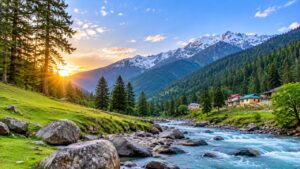
One of the biggest attractions when comparing Ireland vs Scotland is their natural beauty. Both countries offer spectacular scenery, but their landscapes have different characteristics.
Ireland’s Green Countryside and Coastal Views
Ireland is famous for its rolling green fields, peaceful countryside, rugged coastlines, and charming rural communities.
The Cliffs of Moher are among the country’s most recognizable natural attractions. These impressive cliffs rise above the Atlantic Ocean and offer unforgettable views.
Other beautiful locations include:
- Ring of Kerry for scenic coastal drives.
- Connemara for mountains, lakes, and countryside.
- Killarney National Park for forests and beautiful lakes.
- Dingle Peninsula for coastal villages and dramatic scenery.
If you enjoy peaceful landscapes, beautiful coastal roads, and green countryside, Ireland will certainly impress you.
Scotland’s Highlands, Mountains, and Lochs
Scotland offers a different kind of natural beauty. Its landscapes are often more dramatic, with towering mountains, deep valleys, rocky coastlines, and mysterious freshwater lochs.
The Scottish Highlands are particularly popular among nature lovers and photographers.
Some must-see natural attractions include:
- Loch Ness for its famous monster legend and beautiful surroundings.
- Glencoe for dramatic mountain scenery.
- Isle of Skye for impressive coastal landscapes.
- Cairngorms National Park for hiking and wildlife experiences.
Our verdict: Ireland is excellent for green countryside and coastal scenery, while Scotland stands out for mountainous landscapes and dramatic wilderness.
Cities and Popular Tourist Attractions
Cities are another important consideration when choosing between Ireland and Scotland. Both destinations have historic streets, interesting museums, restaurants, shopping areas, and exciting cultural attractions.
Best Places to Visit in Ireland
Ireland has several wonderful cities worth including in your itinerary.
- Dublin: The capital city is famous for Trinity College, historic architecture, museums, and traditional pubs.
- Galway: A lively destination known for street performances, traditional Irish music, and colorful streets.
- Cork: A charming city with excellent food markets, historic attractions, and a relaxed atmosphere.
- Kilkenny: Popular for its medieval streets, historic castle, and traditional character.
Dublin is a particularly good starting point for first-time visitors because it combines sightseeing, entertainment, shopping, and cultural experiences.
Best Places to Visit in Scotland
Scotland also has plenty of memorable destinations.
- Edinburgh: Famous for Edinburgh Castle, the Royal Mile, historic architecture, and cultural festivals.
- Glasgow: A vibrant city offering impressive museums, music venues, shopping, and restaurants.
- Inverness: A convenient base for exploring Loch Ness and the Scottish Highlands.
- Stirling: Known for its historic castle and important role in Scottish history.
Edinburgh is an excellent choice for travelers who love history, architecture, and beautiful city views.
Weather and Best Time to Visit
Weather can make a big difference to your travel experience. Ireland and Scotland both have relatively mild but changeable climates.
Ireland’s Climate
Ireland generally experiences mild temperatures throughout the year. Rainfall is common, and the weather can change several times during a single day.
Summer, particularly June through August, is a popular time to visit because of longer daylight hours and generally pleasant temperatures.
Spring and autumn can also be wonderful, especially if you prefer fewer crowds.
Scotland’s Climate
Scotland also has unpredictable weather, but temperatures can be cooler, particularly in mountainous regions.
Summer is usually the most comfortable season for exploring the Highlands, hiking, and enjoying outdoor attractions.
Winter brings shorter days and colder conditions, although it can offer beautiful scenery and a quieter travel experience.
Travel tip: Pack waterproof clothing and comfortable walking shoes regardless of which destination you choose.
Travel Costs and Accommodation
Your travel budget is another important factor when comparing Ireland vs Scotland.
Both countries can be expensive, especially in popular tourist destinations during peak season. However, your overall spending will depend on accommodation, transportation, food, and activities.
Is Ireland Expensive to Visit?
Ireland can be relatively expensive for international visitors, particularly in Dublin.
Accommodation prices can increase during major events and busy summer months. Restaurants, rental cars, and organized tours can also add up quickly.
You can manage your budget by:
- Booking accommodation early.
- Staying in smaller towns outside major tourist centers.
- Using public transportation where practical.
- Choosing local cafés and affordable restaurants.
- Exploring free walking routes and public attractions.
Is Scotland Expensive to Visit?
Scotland also has expensive tourist areas, particularly Edinburgh during festivals and major events.
However, travelers can find affordable accommodation and dining options outside the busiest destinations.
Some helpful money-saving ideas include:
- Booking train tickets in advance.
- Staying in guesthouses or budget hotels.
- Exploring free museums in Glasgow.
- Visiting natural attractions that do not require expensive admission.
- Traveling during spring or autumn.
Our verdict: Neither destination is consistently cheaper. Compare actual accommodation and transportation prices for your travel dates before making a decision.
Culture, History, and Local Traditions
Ireland and Scotland share some historical connections, but each country has a distinctive cultural identity.
Irish Culture and Traditions
Irish culture is famous for storytelling, traditional music, dancing, literature, and community celebrations.
Traditional Irish pubs are an important part of the social experience. Visitors can enjoy live music, meet locals, and experience the welcoming atmosphere.
Ireland also has a fascinating history, including ancient Celtic traditions, medieval landmarks, and important historical events.
St. Patrick’s Day is one of the country’s most famous celebrations and attracts visitors from around the world.
Scottish Culture and Traditions
Scottish culture is strongly connected with Highland traditions, bagpipe music, tartan patterns, clan history, and traditional celebrations.
Visitors can discover Scotland’s heritage through historic castles, museums, traditional music performances, and cultural festivals.
The Highland Games are another interesting cultural experience, featuring traditional sporting competitions, dancing, and music.
If you enjoy history and traditional celebrations, Scotland offers plenty of opportunities to explore its cultural identity.
Food and Drink: Ireland vs Scotland
Food lovers will find plenty to enjoy in both countries.
Ireland is known for comforting traditional meals, fresh seafood, dairy products, and hearty countryside cooking.
Popular Irish dishes include:
- Irish stew.
- Traditional soda bread.
- Boxty potato pancakes.
- Seafood chowder.
- Full Irish breakfast.
Scotland also offers delicious traditional dishes, including:
- Haggis.
- Cullen skink.
- Scotch broth.
- Scottish smoked salmon.
- Shortbread.
Both destinations have modern restaurants, international cuisines, local food markets, and traditional dining experiences.
If you enjoy hearty comfort food, you will find plenty of options in either country.
Outdoor Activities and Adventures
Adventure seekers have excellent reasons to visit both destinations.
Ireland is perfect for coastal walks, cycling, countryside exploration, kayaking, and scenic road trips.
Popular outdoor experiences include hiking in Connemara, exploring the Wicklow Mountains, and walking along sections of the Wild Atlantic Way.
Scotland is particularly attractive to hikers and mountain lovers. You can explore the Highlands, walk through Glencoe, discover remote islands, and enjoy wildlife watching.
Popular Scottish outdoor activities include:
- Hiking in the Cairngorms.
- Exploring the Isle of Skye.
- Walking around Loch Lomond.
- Climbing mountains in the Highlands.
- Wildlife and birdwatching tours.
If you prefer dramatic mountain adventures, Scotland may be the better choice. For coastal exploration and countryside road trips, Ireland is an excellent option.
Transportation and Getting Around
Getting around comfortably is essential when planning your holiday.
Ireland has trains and bus services connecting many major cities and towns. However, renting a car is often the most convenient way to explore remote coastal attractions and rural areas.
Scotland also offers trains and buses, with popular routes connecting Edinburgh, Glasgow, and other major destinations.
For exploring the Highlands and smaller villages, renting a car provides greater flexibility.
Remember that both countries drive on the left-hand side of the road. International visitors should also check local driving requirements before renting a vehicle.
Nightlife and Entertainment
Ireland has a strong reputation for lively pubs, traditional music, and friendly social experiences.
Dublin’s Temple Bar area is particularly popular with international visitors. Galway also offers an exciting nightlife scene, with music venues and traditional pubs.
Scotland has a different but equally enjoyable nightlife experience.
Edinburgh offers traditional pubs, cocktail bars, live performances, and cultural festivals. Glasgow is particularly famous for its music venues and energetic entertainment scene.
If you want traditional pub culture and lively local music, Ireland is a fantastic choice. If you prefer a combination of live music, festivals, and modern nightlife, Scotland is worth considering.
Safety and Travel Experience
Both Ireland and Scotland are generally welcoming destinations for tourists.
As with any international trip, basic precautions are important. Keep an eye on your belongings in crowded tourist areas, avoid poorly lit streets late at night, and follow local travel advice.
The overall travel experience is comfortable in both destinations, particularly in established tourist areas.
Visitors should also consider travel insurance, weather conditions, and transportation arrangements before starting their journey.
Ireland vs Scotland: Which Is Better for Families?
Both destinations offer enjoyable experiences for families traveling with children.
Ireland has family-friendly attractions, castles, wildlife parks, beautiful beaches, and outdoor activities. Children may particularly enjoy exploring historic sites and discovering the country’s famous landscapes.
Scotland also offers plenty of family attractions, including castles, museums, scenic train journeys, and nature experiences.
Families interested in history might enjoy Edinburgh, while those who love outdoor adventures may prefer the Scottish Highlands.
Ireland is equally appealing for families who enjoy countryside exploration and coastal adventures.
Ultimately, the better choice depends on your children’s ages, interests, and travel preferences.
Ireland vs Scotland: Which Is Better for Couples?
Planning a romantic getaway? You cannot go too far wrong with either destination.
Ireland offers cozy countryside accommodation, beautiful coastal drives, romantic villages, and traditional pubs.
Scotland provides historic castle hotels, peaceful mountain scenery, scenic lochs, and charming old towns.
Couples looking for a relaxed holiday with beautiful coastal views may prefer Ireland.
Those dreaming of a romantic castle stay surrounded by mountains might fall in love with Scotland.
How to Choose Between Ireland and Scotland
Still wondering which destination deserves a place on your travel bucket list? The easiest way to decide is to consider what kind of holiday you want.
Choose Ireland If…
Ireland may be the right destination if you:
- Love green countryside and dramatic coastal views.
- Enjoy traditional music and friendly pubs.
- Want to explore charming villages and historic towns.
- Prefer scenic coastal road trips.
- Enjoy cultural experiences and relaxed sightseeing.
Ireland offers a wonderful balance of natural beauty, history, and entertainment.
Choose Scotland If…
Scotland might be the better destination if you:
- Love mountains, valleys, and dramatic landscapes.
- Want to explore historic castles.
- Enjoy hiking and outdoor adventures.
- Are interested in Highland traditions and Scottish history.
- Want to discover beautiful islands and remote countryside.
Scotland offers an unforgettable experience for travelers who appreciate dramatic scenery and outdoor exploration.
Conclusion:
When comparing Ireland vs Scotland, there is no single winner because both destinations offer something special.
Ireland stands out for its green countryside, friendly pub culture, coastal scenery, and charming towns. Scotland impresses visitors with its magnificent Highlands, historic castles, beautiful lochs, and rich cultural traditions.
If you prefer relaxing coastal drives, lively villages, and traditional Irish experiences, Ireland could be your ideal destination. However, if dramatic mountains, historic architecture, and outdoor adventures sound more exciting, Scotland might be the better choice.
The good news? You do not necessarily have to choose just one. If your schedule and budget allow, visiting both countries on the same trip can give you an even richer travel experience.
Ultimately, the best destination is the one that matches your travel style, interests, and budget.
FAQs
Q1. Is Ireland or Scotland better for tourists?
Both countries are excellent tourist destinations. Ireland is particularly appealing for coastal scenery, traditional pubs, and green countryside. Scotland is ideal for travelers interested in mountains, castles, history, and outdoor adventures. Your personal interests will determine which destination suits you best.
Q2. Which country is cheaper, Ireland or Scotland?
Neither country is consistently cheaper. Costs depend on the season, accommodation, transportation, and activities. Dublin and Edinburgh can both be expensive, particularly during busy tourist periods. Comparing prices before booking is the best way to manage your budget.
Q3. How many days do you need in Ireland or Scotland?
Around 7–10 days is a good starting point for exploring either destination. This gives you enough time to visit major cities and experience some countryside attractions. If you want to explore remote regions, consider spending 10–14 days or longer.
Q4. Is Ireland or Scotland better for natural scenery?
Both destinations offer beautiful natural scenery. Ireland is famous for its green landscapes, rugged coastlines, and rolling countryside. Scotland is known for its dramatic mountains, Highlands, lochs, and beautiful islands. Scotland may appeal more to mountain lovers, while Ireland is excellent for coastal scenery.
Q5. Can you visit Ireland and Scotland on the same trip?
Yes! Visiting both countries on one holiday is possible. You can combine destinations such as Dublin, Galway, Edinburgh, and Glasgow into one itinerary. Ferries and flights connect the two countries, making combined travel relatively convenient. Plan your transportation and border requirements in advance.