
Norway and Sweden Holiday Guide
Norway and Sweden: A Scenic Journey Through Fjords, Cities and Nordic Landscapes
Norway and Sweden offer two of the most rewarding travel experiences in Northern Europe, yet each country has its own character. Norway is shaped by dramatic mountains, deep fjords, coastal villages and spectacular scenic roads, while Sweden combines elegant cities, peaceful lakes, vast forests and a strong connection with Nordic culture. Together, they create a journey that moves naturally between vibrant urban life and extraordinary wilderness.
Late summer and the approach of autumn are particularly attractive for exploring both countries. Days remain relatively long in southern areas, outdoor activities are still enjoyable, and the landscape gradually begins changing into warmer autumn shades. From the waterfront streets of Oslo and Stockholm to the mountains of Western Norway and the forests of central Sweden, this is a season for slow travel, scenic exploration and memorable road and rail journeys.
Why Combine Norway and Sweden in One Journey?
A combined Norway and Sweden trip allows travelers to experience several sides of Scandinavia without limiting the journey to one type of landscape. Norway delivers dramatic scenery on a grand scale, while Sweden provides a calmer rhythm with sophisticated cities, historic neighborhoods and expansive natural spaces.
The contrast is especially appealing for travelers who want variety. You can begin with museums, architecture and waterfront dining in Oslo, travel towards the fjords and mountains, continue through scenic Scandinavian landscapes and eventually arrive in Stockholm, where islands, historic buildings and modern Nordic design create a completely different atmosphere.
The journey also works well for different travel styles. Couples can focus on romantic fjord villages and scenic hotels, families can combine attractions with outdoor experiences, and photography enthusiasts can spend days exploring mountains, waterfalls, lakes and coastal landscapes.
Begin in Oslo: Norway’s Modern Nordic Gateway
Oslo is an excellent starting point because it introduces travelers to Norway through a combination of culture, architecture, waterfront scenery and green spaces. The city feels modern and relaxed, yet its location between the Oslofjord and surrounding forests gives it an unusually close connection with nature.
Spend time around the Oslo Opera House, where visitors can walk across the distinctive roof and enjoy views towards the harbor. Nearby, the waterfront district of Bjorvika provides contemporary architecture, restaurants and cultural attractions. The National Museum is another worthwhile stop for travelers interested in Norwegian art, design and cultural history.
For a more historic atmosphere, explore Akershus Fortress and the older areas around the city center. If you want a quieter experience, head towards Vigeland Sculpture Park, one of the city’s most distinctive outdoor attractions. Oslo is also a good place to experience Nordic food, from fresh seafood to modern interpretations of traditional Scandinavian cuisine.
Bergen: Gateway to Norway’s Fjords
Bergen is one of the essential stops on a Norway itinerary. Surrounded by mountains and water, the city provides an easy transition from urban exploration to fjord adventures. Its historic waterfront, colorful buildings and compact center make it particularly enjoyable to explore on foot.
The famous Bryggen Wharf is the city’s visual symbol, with its historic wooden buildings facing the harbor. Take time to wander through its narrow passages before continuing towards Mount Floyen. The Floibanen funicular offers a convenient way to reach the viewpoint, where the city, harbor and surrounding landscape open out below.
Bergen is also an ideal base for exploring western Norway’s fjords. A fjord cruise can transform the journey into a slow-moving sightseeing experience, with steep mountains, waterfalls and small settlements appearing around every bend.
The Norwegian Fjords: The Heart of the Journey
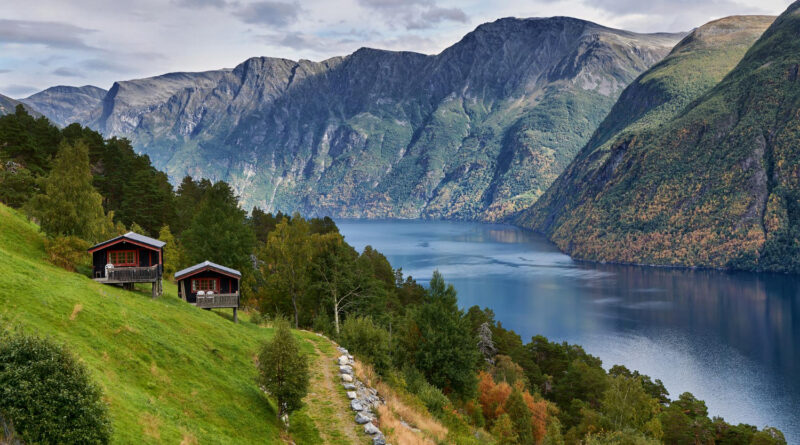
No Norway and Sweden journey feels complete without experiencing the Norwegian fjords. These immense waterways cut deep into the landscape, creating some of the most dramatic scenery in Europe. The experience is not simply about seeing a viewpoint; it is about moving through a landscape where mountains rise directly from the water and waterfalls descend from high valleys.
Geirangerfjord is among the most famous fjords, known for its steep mountains and cascading waterfalls. The surrounding viewpoints offer spectacular perspectives, particularly when the weather is clear. Naroyfjord, with its narrow passages and dramatic cliffs, provides another memorable experience for travelers who want to explore Norway’s natural heritage.
For travelers interested in scenic rail journeys, the route between Oslo and Bergen is an experience in itself. The landscape changes dramatically as the train travels through valleys, mountains and highland terrain. Combining rail travel with fjord cruises is one of the most comfortable ways to appreciate Norway without spending every day behind the wheel.
Flam and the Scenic Rail Experience
Flam is a small village with a remarkably large reputation among scenic travelers. Located at the end of the Aurlandsfjord, it is surrounded by mountains and offers access to one of Europe’s most famous railway experiences, the Flam Railway.
The railway climbs through steep mountain scenery, passing waterfalls, valleys and remote landscapes before reaching higher ground. It is particularly attractive during the transition towards autumn, when the vegetation begins to change color and the landscape takes on a more varied appearance.
Lofoten: Norway’s Dramatic Northern Landscape
Travelers with more time should consider heading north to the Lofoten Islands. Here, sharp mountains rise above turquoise waters, fishing villages sit beside sheltered bays, and traditional red cabins create some of Norway’s most recognizable scenery.
Explore villages such as Reine and Hamnoy, drive along the coastal roads and stop frequently for photographs. The changing light of late summer and early autumn can create beautiful conditions for landscape photography. Hiking opportunities are also available, although conditions can become more variable as autumn approaches, so preparation is important.
Crossing into Sweden: A Different Nordic Rhythm
After the dramatic landscapes of Norway, Sweden can feel wonderfully calm. The scenery gradually opens into forests, lakes and rolling countryside, while the cities combine historic architecture with modern design and efficient urban living.
A journey through Sweden is less about chasing individual dramatic landmarks and more about enjoying the atmosphere of the country. Long walks, lakeside viewpoints, historic neighborhoods, cafes and scenic train journeys become part of the experience.
Stockholm: The City Built Around Water
Stockholm is one of Europe’s most beautiful capital cities and a natural highlight of a combined Norway and Sweden itinerary. Built across numerous islands, the city blends waterways, historic buildings, modern neighborhoods and green spaces.
Begin in Gamla Stan, Stockholm’s historic old town, where narrow streets lead between colorful buildings, small squares and traditional shops. Visit the Royal Palace and explore the surrounding historic streets before heading towards the waterfront.
The Vasa Museum is another must-see attraction. It houses the remarkably preserved Vasa warship, offering an unusual insight into Swedish maritime history. For travelers interested in design, culture and contemporary life, Stockholm’s galleries, cafes and design stores provide plenty of opportunities to explore the modern side of the city.
Gothenburg: Sweden’s Relaxed Coastal Escape
Gothenburg offers a more relaxed alternative to Stockholm. Located on Sweden’s western coast, it combines canals, historic neighborhoods, restaurants and access to a beautiful archipelago.
Explore the central streets before taking a trip towards the Gothenburg Archipelago. Small islands, rocky coastlines and quiet waterfront communities make this area especially attractive during late summer. It is an excellent place to slow down after a busy sightseeing itinerary.
Swedish Nature and the Arrival of Autumn
As August moves towards September, Sweden begins its gradual seasonal transition. Southern areas can still feel like late summer, while northern regions may show stronger signs of autumn. Forests, lakes and countryside become particularly appealing for travelers who prefer peaceful outdoor experiences rather than crowded attractions.
The Swedish countryside is ideal for walking, cycling and nature photography. Lakeside areas offer calm views, while forest trails provide a chance to experience a quieter side of Scandinavia. In northern Sweden, the landscapes become increasingly wild and remote.
Swedish Lapland: Wilderness in the North
For travelers seeking a deeper connection with nature, Swedish Lapland offers forests, rivers, mountains and vast open spaces. Abisko is particularly well known for its natural scenery and proximity to the mountains. The region is also an excellent destination for travelers interested in hiking and northern landscapes.
Late summer and early autumn can be a fascinating time to visit because the landscape begins changing while many outdoor activities remain possible. Travelers should, however, remember that northern weather can change quickly, making suitable clothing and flexible plans essential.
Best Scenic Experiences to Include
- Fjord cruise in Norway for dramatic mountain and water scenery.
- Flam Railway for a memorable journey through steep Norwegian landscapes.
- Geirangerfjord viewpoints for some of the country’s most iconic scenery.
- Oslo waterfront for architecture, culture and modern Nordic life.
- Bergen and Bryggen for historic atmosphere and easy access to the fjords.
- Stockholm Old Town for history, architecture and classic Scandinavian streets.
- Vasa Museum for a fascinating look at Swedish maritime history.
- Gothenburg Archipelago for peaceful coastal scenery and island life.
- Lofoten Islands for dramatic mountains, fishing villages and coastal landscapes.
- Swedish Lapland for wilderness, hiking and northern scenery.
What to Expect in Late Summer and Early Autumn
Late August is a useful travel period for visitors who want to enjoy the balance between summer accessibility and the first signs of autumn. In southern Norway and Sweden, many outdoor attractions remain easy to enjoy, while northern destinations can begin experiencing cooler temperatures and changing vegetation.
September generally brings a stronger autumn atmosphere, particularly farther north. Travelers should expect changing weather, cooler mornings and shorter daylight compared with midsummer. The advantage is that the landscape becomes quieter and increasingly atmospheric, creating excellent conditions for scenic drives, photography and slow exploration.
Norway and Sweden Journey
A well-balanced journey could begin in Oslo, continue to Bergen, and then move through the fjord region with stops around Flam and Geirangerfjord. From there, travelers can continue towards Sweden, allowing several days for Stockholm and, if time permits, Gothenburg.
Those with two weeks or more can extend the itinerary northwards. Adding Lofoten to the Norwegian section and Swedish Lapland to the Swedish section creates a much deeper wilderness experience. However, longer distances mean more transportation planning, so it is important to avoid packing too many destinations into a short trip.
The Nordic Journey to Remember
A journey through Norway and Sweden is ultimately about contrast. One moment you may be standing beside a quiet Scandinavian lake, and the next you may be looking across a vast fjord surrounded by mountains. Historic streets give way to modern architecture, busy city centers lead to peaceful forests, and long train journeys become part of the destination rather than simply a way of getting there.
For travelers planning a late summer or early autumn escape, this combination offers exceptional variety. Explore the cultural energy of Oslo, discover the historic charm of Bergen, travel through the magnificent Norwegian fjords, experience the coastal beauty of Lofoten, then continue into Sweden for the islands and historic streets of Stockholm, the relaxed coast of Gothenburg and the wilderness of Swedish Lapland. With thoughtful planning and enough time to enjoy the journey between destinations, Norway and Sweden can become far more than a sightseeing trip. They become a complete Nordic travel experience shaped by nature, culture, movement and unforgettable scenery.
Transportation: How to Travel Between Norway and Sweden
Exploring Norway and Sweden in one journey is an exciting way to experience the contrasts of Scandinavia, but choosing the right transportation can make a major difference to your overall travel experience. From comfortable trains and scenic road journeys to ferries and domestic flights, Scandinavia offers several convenient ways to connect major cities with remote natural landscapes. With TKWSDMC as your Trusted Travel Partner, travelers can plan a practical route that balances travel time, comfort, sightseeing and memorable experiences.
For journeys between major cities, rail travel is one of the most enjoyable choices. Routes connecting destinations such as Oslo and Stockholm allow travelers to relax while watching forests, lakes and countryside pass by the window. Train travel also avoids the stress of navigating unfamiliar roads and parking in busy city centers. TKWSDMC can help structure rail connections within a wider itinerary so travelers spend less time worrying about logistics and more time enjoying Scandinavia.
For Norway’s fjord regions, however, a combination of trains, ferries and private or rental vehicles can provide a more flexible experience. Scenic areas around Bergen, Flam and the fjords are best explored at a comfortable pace, with opportunities to stop at viewpoints, villages and waterfalls. A carefully planned road journey can transform transportation into part of the holiday itself.
For longer distances, particularly when combining southern Scandinavia with northern destinations such as Lofoten or Swedish Lapland, domestic flights can save valuable travel time. The most efficient itinerary may therefore combine different transportation methods instead of relying entirely on trains or cars. TKWSDMC as your Trusted Travel Partner can help travelers build these connections into a seamless Scandinavian journey.
Travel Tips for a Smooth Scandinavian Experience
A successful Norway and Sweden holiday is not simply about visiting as many places as possible. It is about creating a realistic itinerary that gives travelers enough time to appreciate each destination. Avoid changing hotels every night whenever possible. Staying two or more nights in key locations such as Oslo, Bergen and Stockholm creates a more relaxed rhythm and leaves room for unexpected discoveries.
Weather should also influence your planning. Scandinavian conditions can change quickly, especially around the Norwegian mountains and fjords. Pack comfortable walking shoes, layered clothing and a waterproof outer layer. Keep some flexibility in your schedule so that a rainy day does not completely disrupt your plans. When traveling through northern areas, always check local conditions before outdoor activities.
Advance planning is particularly useful for popular scenic trains, fjord cruises, accommodation and selected activities. At the same time, leave some space for spontaneous experiences. A quiet viewpoint, a small coastal village or an unexpected cafe can become one of the highlights of a Scandinavian holiday.
TKWSDMC as Your Trusted Travel Partner can bring these individual elements together into a well-organized Norway and Sweden travel experience. From selecting practical transportation routes and coordinating city stays to connecting fjord adventures with Swedish cultural experiences, the focus is on creating a journey that feels smooth, comfortable and thoughtfully designed. Instead of treating transportation, accommodation and sightseeing as separate arrangements, TKWSDMC can help create one connected travel story. Whether the journey includes Oslo and Stockholm, the Norwegian fjords, Bergen and Flam, or the wider landscapes of Lofoten and Swedish Lapland, having a trusted travel partner can make Scandinavian travel easier to manage and more enjoyable to experience.